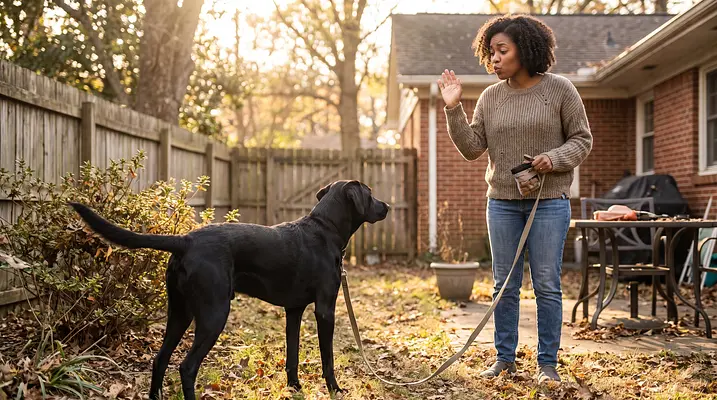
It’s a scene that plays out in living rooms everywhere, usually right around the seven-month mark. You give a simple, familiar cue—something your dog has known cold since they were twelve weeks old. Instead of the usual eager response, you get a blank stare. Your dog looks you right in the eye, processes the request, and deliberately turns away to sniff a dust bunny. It feels personal. It feels like rebellion. But before you panic that you’ve raised a delinquent, take a deep breath. You haven’t done anything wrong, and your dog hasn’t lost their mind. You have simply entered the turbulent, testing era known as canine adolescence.
🧠 Understanding Canine Adolescence
Canine adolescence is a developmental stage that typically occurs between six and eighteen months of age, though it can vary slightly by breed and individual personality. Just like human teenagers, adolescent dogs are navigating a perfect storm of hormonal changes, brain remodeling, and a newfound desire for independence.
- Expect this phase to last anywhere from a few weeks to several months, depending on your dog’s breed and maturity level.
- Recognize that your dog’s brain is literally restructuring, prioritizing exploration over obedience.
- Compare this stage to the "teenage years" in humans, where testing boundaries is a biological imperative, not a personal slight.
- Remember that hormones like testosterone and estrogen are surging, influencing behavior even if your dog has been spayed or neutered.
📉 Why Training Seems to Fall Apart
One of the most frustrating aspects of this period is the "amnesia" regarding basic manners. You might feel like you are starting from scratch, but regression is a hallmark symptom of a brain that is temporarily prioritizing other things over pleasing you.
- View this regression not as failure, but as a sign that your dog’s environment is currently more stimulating than your rewards.
- Lower your criteria for success temporarily, asking for simpler behaviors to keep your dog winning.
- Increase the value of your treats during this phase, as kibble simply won’t compete with the smells of the great outdoors.
- Practice the "three Ds" (Distance, Duration, Distraction) separately, rather than expecting perfection in a busy park immediately.
😨 Navigating the Second Fear Period
As if the attitude wasn't enough, many adolescent dogs also experience a "second fear period." This is a developmental window where previously confident puppies may suddenly become wary of new objects, people, or environments. It can be baffling to see a dog that was socialized early suddenly spook at a trash can or a flapping flag.
- Avoid forcing your dog to confront the things that scare them, as this can cement the fear into a lifelong phobia.
- Use high-value treats to create positive associations with the scary object from a safe distance.
- Keep interactions short and positive, allowing your dog to set the pace for investigation.
- Note that this period is temporary, so maintain a calm, supportive demeanor rather than correcting the fear.
🛠️ Practical Strategies for Survival
Getting through adolescence requires a shift in mindset from "training" to "managing." You need to be the anchor in their chaotic sea of hormones and new feelings. Consistency is your best friend here, even when it feels like you aren't making progress.
- Maintain a consistent schedule for feeding, walks, and potty breaks to provide a sense of security.
- Go back to basics with management tools like leashes, long lines, and baby gates to prevent bad habits from forming.
- Channel that teenage energy into appropriate outlets like puzzle toys, sniff games, or structured tug-of-war.
- Celebrate the small wins enthusiastically to remind your dog that you are still the source of all good things.
🧩 Mental Stimulation Over Physical Exercise
Often, owners try to tire out a teenage dog by running them into the ground. However, physical exhaustion can sometimes lead to an overtired, cranky dog that is even less likely to listen. Mental stimulation is often more effective at curbing behavioral issues than a five-mile run.
- Swap one long, boring walk for a shorter "decompression walk" where the dog is allowed to sniff and explore on a long line.
- Invest in durable puzzle feeders or snuffle mats to make mealtime a brain-boosting activity.
- Teach a new, low-stress trick like "spin" or "touch" to build confidence and focus.
- Incorporate short, five-minute training sessions throughout the day rather than one long, grueling session.
🏥 Health Disclaimer
Sudden behavioral changes can sometimes indicate an underlying medical issue rather than just a developmental phase. If your dog’s personality changes drastically overnight, or if they seem lethargic or in pain, consult your veterinarian.
- Schedule a check-up to rule out pain, thyroid issues, or infections that could be causing irritability or aggression.
- Discuss your dog’s diet and exercise routine with your vet to ensure their physical needs are being met appropriately.
📝 Quick Action Plan
- Increase the value of your training rewards immediately to compete with distractions.
- Go back to using a leash or long line in the house to prevent ignoring cues.
- Schedule short, five-minute training sessions three times a day to rebuild focus.
- Prioritize sniffing and mental games over long duration cardio exercises.
- Keep a log of "good days" to remind yourself that progress is happening, even if it's slow.
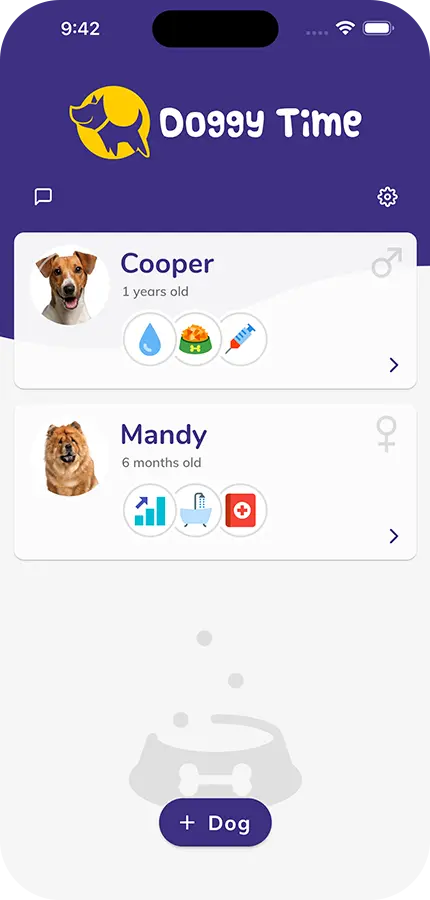
The teenage months can be trying, but they do end. With patience, consistency, and a sense of humor, you will come out the other side with a mature, well-adjusted adult dog. To help track this journey, consider using the Doggy Time app. It allows you to collaborate with family members on logging activities, set smart reminders for training and medication, and track your pet's daily habits, making the chaos of adolescence a little more manageable.