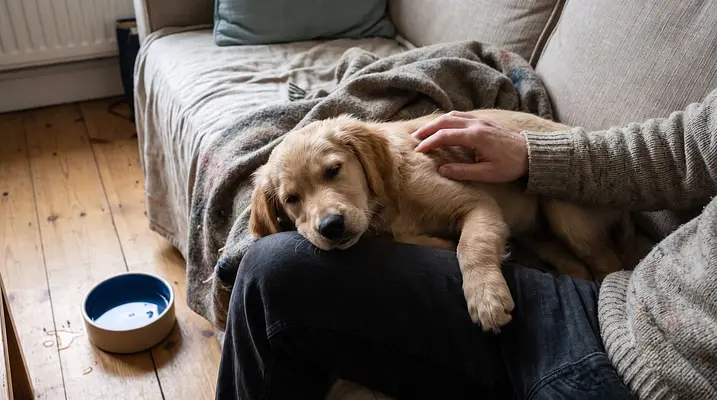
The sun is barely up when you step into the cold reality of a mess on the floor, forcing you to crouch down and decipher the evidence without a vet on the line to guide you. In that quiet, early-morning light, you find yourself studying the consistency and color, trying to distinguish between a simple dietary indiscretion and a genuine emergency. It is a moment of instinctive detective work where the joy of puppy ownership pauses, replaced by the urgent need to decide if this is a passing upset or a situation requiring immediate help.
🐾 Understanding the Common Culprits
Puppy digestive systems are delicate works in progress, and they can be thrown off balance by a surprising number of factors. Identifying the root cause is the first step toward helping your furry friend feel better, as treatments can vary significantly depending on whether the issue is dietary, environmental, or pathogenic.
- Introduce new food gradually over a week to avoid shocking the digestive system. Sudden diet changes are the number one cause of loose stools in young dogs.
- Minimize stressful transitions by keeping a consistent routine for feeding and potty breaks. Stress from moving to a new home or separation anxiety can manifest physically as diarrhea.
- Prevent access to garbage, foreign objects, or toxic plants during supervision. Puppies explore the world with their mouths, and "garbage gut" is a frequent diagnosis for upset tummies.
- Maintain a strict deworming and vaccination schedule as recommended by your vet. Parasites like roundworms and giardia are incredibly common in puppies and require medical treatment.
- Seek immediate testing if you suspect Parvovirus, especially in unvaccinated pups. This highly contagious virus causes severe, bloody diarrhea and requires emergency intervention.
🚩 Red-Flag Symptoms That Require a Vet Visit
Most cases of mild diarrhea resolve on their own, but puppies are fragile and can deteriorate faster than adult dogs. Knowing the difference between a "wait and see" situation and a medical emergency can save your puppy’s life.
- Call your vet immediately if you see bright red blood or a dark, tarry appearance in the stool. This indicates internal bleeding that requires urgent care.
- Monitor for signs of dehydration like sunken eyes or sticky gums. Puppies can dehydrate rapidly, sometimes within hours of symptoms starting.
- Watch for projectile vomiting combined with diarrhea. This combination can signal a blockage or a serious viral infection like Parvo.
- Seek help if the puppy becomes lethargic, refuses to eat, or stops drinking water. A lack of energy often suggests the body is fighting a significant infection.
- Note if the diarrhea persists for more than 24 hours despite home care. Prolonged irritation can damage the intestinal lining and lead to secondary complications.
🍚 Safe Home Care and the Bland Diet
If your puppy is otherwise acting like their happy, energetic self, you can often manage mild diarrhea at home. The goal is to rest the digestive system while providing easily digestible nutrients to help the gut heal.
- Withhold food for 12 to 24 hours to let the gastrointestinal tract rest. This gives the inflamed lining a chance to settle down before reintroducing nutrients.
- Offer small amounts of a bland diet like boiled chicken and white rice. Avoid adding any seasonings, oils, or butter, which could further irritate the stomach.
- Feed small, frequent meals rather than one large portion. Start with a tablespoon-sized amount to see if the puppy can keep it down.
- Transition back to regular food slowly over three to five days. Mix increasing amounts of regular kibble with the bland diet to prevent a relapse.
- Avoid giving human medications like Imodium unless directed by a vet. Some over-the-counter drugs are toxic to dogs and can mask serious symptoms.
💧 Preventing Dehydration
Diarrhea causes the body to lose fluids and essential electrolytes at an alarming rate, which is particularly dangerous for small puppies. Keeping your puppy hydrated is the single most important aspect of home care while they recover.
- Encourage drinking by offering fresh, cool water frequently throughout the day. Some puppies prefer moving water, so a fountain might entice them to drink more.
- Check for hydration by gently lifting the skin on the back of the neck. If the skin snaps back quickly, they are hydrated; if it stays tented, they need fluids immediately.
- Offer unflavored Pedialyte or a vet-approved electrolyte solution if water is refused. This helps replace the salts and minerals lost during the episode.
- Monitor the gums to ensure they remain slick and wet to the touch. Dry or tacky gums are an early warning sign that your puppy is getting dehydrated.
📝 Tracking Stool Changes to Spot a Pattern
Sometimes diarrhea seems random, but often there is a hidden trigger that only reveals itself through careful observation. Keeping a log of your puppy’s bathroom habits can help you identify food intolerances or environmental stressors before they become major health issues.
- Use a consistent scale (like 1 to 5) to rate the firmness of every bowel movement. This helps you communicate objectively with your vet if a visit becomes necessary.
- Note the exact time of day and what the puppy ate beforehand. This can reveal if a specific treat or mealtime is causing digestive upset.
- Record any stressful events like visitors or loud noises that occurred that day. You may find that your puppy has a nervous stomach triggered by anxiety.
- Take photos of unusual stool to show the vet during appointments. Visual evidence can help your vet make a faster, more accurate diagnosis.
It can be worrying to see your puppy under the weather, but with a watchful eye and the right care, most puppies bounce back to their playful selves in no time. By understanding the causes and knowing when to step in, you can navigate these messy moments with confidence and keep your new best friend on the path to health.
🚀 Quick Action Plan
- Fast your puppy for 12 hours to rest their digestive system.
- Prepare a bland meal of boiled, unseasoned chicken and plain white rice.
- Offer fresh water or electrolyte solutions frequently to prevent dehydration.
- Monitor their energy levels and check gums for signs of illness.
- Call the vet immediately if you see blood, vomiting, or extreme lethargy.
- Log every bowel movement to help identify potential triggers.
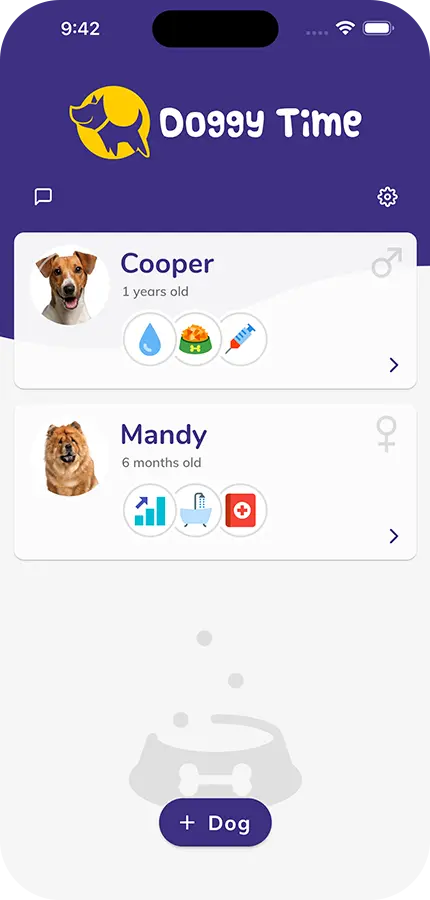
Suggested Tool: To make tracking your puppy's health easier, consider using the Doggy Time app. It helps you collaborate with family members on logging activities, training, and health symptoms, while smart alarms and scheduling ensure you never miss a medication dose or a feeding time. It’s the perfect assistant for keeping your pet’s daily habits and health organized.
Disclaimer: This blog post is for informational purposes only and does not constitute professional veterinary advice. If you are concerned about your puppy’s health, please consult a licensed veterinarian immediately.