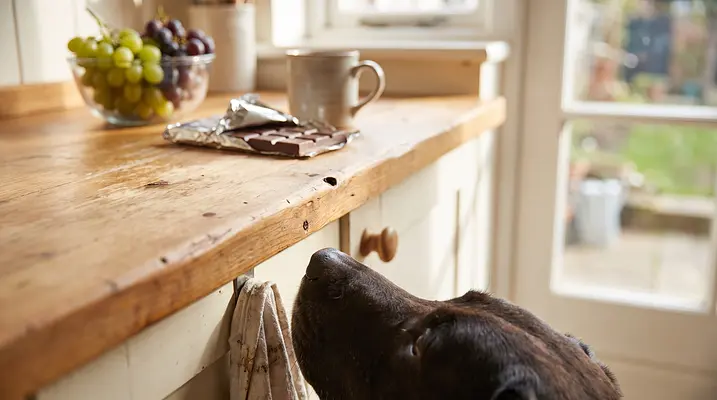
There are few things more heartwarming than the sound of kibble hitting the bowl or the excited dance your dog does when you open the treat jar. As pet parents, we naturally want to share our lives—and often our dinners—with our furry best friends. Those pleading puppy eyes can be incredibly hard to resist, but sometimes, saying "no" is the ultimate act of love.
While we might enjoy a piece of dark chocolate or a handful of grapes, these seemingly innocent snacks can be life-threatening to our canine companions. Their bodies process food differently than ours, turning everyday ingredients into potential poisons. Knowing which foods to keep out of reach isn't just about being cautious; it is about ensuring your home remains a safe haven for the ones you love most.
🍫 Chocolate
Chocolate is perhaps the most well-known canine culprit, but the type and amount ingested determine the severity of the danger. It contains theobromine and caffeine, stimulants that dogs cannot metabolize effectively, leading to hyperactivity and heart issues.
- Determine the danger level by identifying the type of chocolate. Dark chocolate and baking chocolate contain much higher concentrations of theobromine than milk chocolate, making them far more toxic even in small amounts.
- Calculate the risk based on your dog’s weight. A toxic dose can be as little as 20mg of theobromine per pound of body weight, meaning a small dog can be poisoned by a single ounce of baking chocolate.
- Watch for signs of hyperactivity and distress. Symptoms often appear within 6 to 12 hours and include vomiting, diarrhea, excessive panting, and a racing heart. 🏃♂️
🍇 Grapes and Raisins
Even a tiny amount of grapes or raisins can cause sudden and severe kidney failure in dogs, making them one of the most unpredictable toxic foods. The exact toxic substance within the fruit remains unidentified, but the consequences can be fatal regardless of the dog's size.
- Treat any ingestion as a medical emergency immediately. There is no established "safe" quantity; some dogs can eat a few and be fine, while others suffer kidney failure from just one.
- Monitor for delayed symptoms that affect the kidneys. Initial signs often include vomiting within a few hours, followed by lethargy, increased thirst, and a lack of appetite as kidney function declines.
- Do not wait for symptoms to appear before seeking help. By the time kidney failure symptoms are obvious, the damage may already be irreversible. 🚫
🍬 Xylitol (Birch Sugar)
Xylitol is a common sugar substitute found in sugar-free gum, candies, peanut butter, and oral care products that causes a rapid and dangerous drop in blood sugar. While safe for humans, it causes a massive insulin release in dogs, leading to hypoglycemia and potential liver failure.
- Check your pantry labels for "sugar-free" claims. Common hiding spots include breath mints, baked goods, and even some brands of toothpaste and mouthwash.
- Act fast if your dog consumes xylitol. Hypoglycemia can occur within 10 to 60 minutes of ingestion, causing weakness, stumbling, seizures, or collapse.
- Understand that small amounts are highly toxic. As little as 50mg per pound of body weight can cause hypoglycemia, and slightly higher doses can lead to liver necrosis. 🧪
🧅 Onions and Garlic
Members of the Allium family, including onions, garlic, chives, and leeks, contain compounds that damage a dog's red blood cells. This damage leads to hemolytic anemia, where the body destroys its own blood cells faster than it can replace them.
- Avoid feeding table scraps containing these ingredients. Onion and garlic powders found in soups, baby food, and sauces are often more potent than the raw vegetables.
- Be aware that symptoms may be delayed. While gastrointestinal upset can happen early, signs of anemia—such as pale gums, lethargy, weakness, and dark orange or red urine—may not appear for several days.
- Consider the cumulative effect. Toxicity can build up over time if a dog eats small amounts regularly, so consistency in keeping these foods away is key. 🩸
🥜 Macadamia Nuts
Macadamia nuts pose a specific and often mysterious threat to dogs, causing symptoms that range from weakness to paralysis. The mechanism of toxicity is still unknown, but the effects can be distressing and painful for the animal.
- Watch for a sudden loss of mobility. Symptoms typically develop within 12 hours and include hind limb weakness, depression, vomiting, tremors, and hyperthermia (increased body temperature).
- Note that even a small handful is dangerous. Clinical signs can appear after ingesting as little as 0.2mg per pound of body weight, which is roughly one nut for a small dog.
- Monitor for secondary issues like pancreatitis. The high fat content in these nuts can also lead to inflammation of the pancreas, adding to the digestive distress. 🌡️
🥃 Alcohol and Caffeine
Alcohol and caffeine affect a dog’s central nervous system and heart rate in ways that can quickly become fatal. Because dogs are smaller and metabolize these substances differently, "social" amounts for humans are toxic overdoses for pets.
- Keep alcoholic beverages and coffee cups out of reach. Dogs are often attracted to the sweet smell of mixed drinks or the milk left in the bottom of a coffee cup.
- Secure loose coffee grounds and tea bags in the trash. Ingesting concentrated caffeine sources can cause rapid breathing, heart palpitations, and muscle tremors.
- Beware of foods containing hidden alcohol. Raw bread dough and rotten fruit can ferment in the stomach, producing alcohol and causing bloat and alcohol poisoning simultaneously. 🥴
🚑 What to Do in an Emergency
If you suspect your dog has eaten something toxic, staying calm and acting quickly can save their life. Time is the most critical factor in preventing toxins from being absorbed into the bloodstream.
- Remove your dog from the source immediately. Secure the remaining food in a safe place to prevent further ingestion.
- Collect a sample of the substance if possible. Bring the wrapper, container, or a piece of the food to the veterinarian to help them identify the toxin and dosage.
- Call your veterinarian or an emergency animal hospital right away. Do not wait for symptoms to develop, as early intervention is often the difference between a full recovery and a tragedy. 📞
- Avoid inducing vomiting unless directed by a professional. Some substances, like caustic chemicals or sharp objects, can cause more damage coming back up.
Creating a safe environment for our pets is a daily commitment, but it is one that pays off in happy, healthy years together. By understanding the risks hidden in our pantries, we can protect our dogs from accidental harm and focus on the joy they bring into our lives. Keep this guide handy, share it with your family members, and always double-check before sharing a bite of your snack.
📝 Quick Action Plan
- Audit your kitchen for the foods listed above and move them to high shelves or locked cabinets.
- Save your vet’s number and the number for a 24-hour emergency clinic in your phone contacts.
- Download the ASPCA Animal Poison Control app or keep their hotline number (888-426-4435) on your fridge.
- Read ingredient labels carefully before sharing any human food, especially peanut butter or baked goods.
- Train your dog on the "leave it" command to prevent them from snatching dropped food during walks.
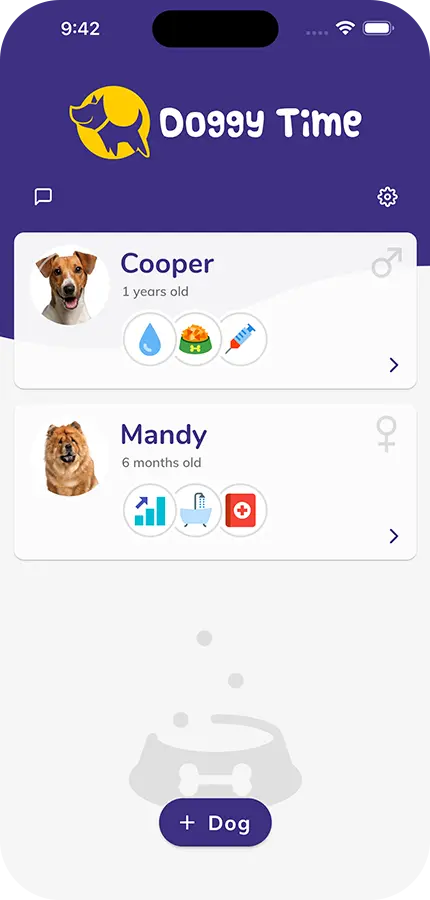
Keeping track of your dog's health and daily routine can be overwhelming, especially in multi-pet households. Consider using the "Doggy Time" app to collaborate with family members on logging pet activities, training sessions, and health observations. With smart alarms and scheduling features, you can ensure your best friend never misses a meal, a walk, or a dose of medication.
Disclaimer: This blog post is for informational purposes only and does not constitute veterinary advice. If you believe your pet has ingested a toxic substance, please contact your veterinarian or an emergency animal hospital immediately.