New Puppy Parent? Here's Why Soft Puppy Poop Shouldn't (Always) Worry You
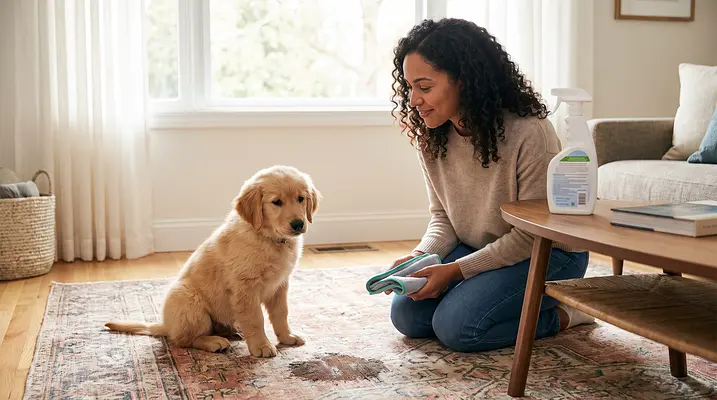
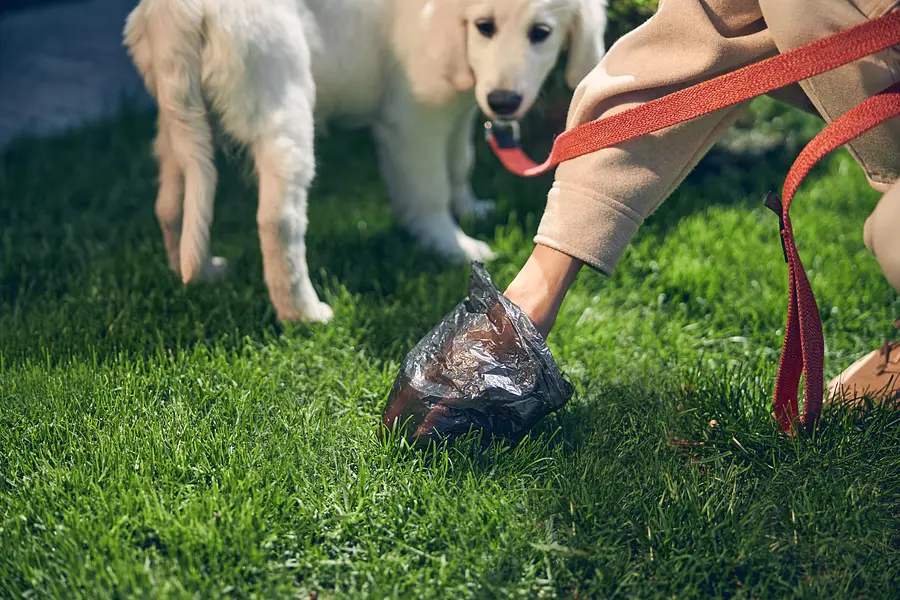
As a new puppy parent, it's completely natural to worry about every little thing – trust me, we've all been there! One of the most common concerns I hear about is soft or watery puppy poop, especially during those first few days at home.
In this article
As a new puppy parent, it's completely natural to worry about every little thing – trust me, we've all been there! One of the most common concerns I hear about is soft or watery puppy poop, especially during those first few days at home. Let's talk about what's normal and when you might need to pay extra attention.
Why Is My Puppy's Poop Soft?
Your puppy's first few days in their new home can be exciting but also stressful for their little system. Several factors can contribute to soft stools:
-
Stress and Anxiety
- Moving to a new home is a big change
- Separation from mother and littermates
- New environment and routines
-
Diet Changes
- Switching from mother's milk or breeder's food
- Different water source
- New treats or training rewards
-
Normal Puppy Development
- Young puppies naturally have softer stools
- Digestive system is still maturing
- Immune system is developing
When Should You Be Concerned?
While some softness is normal, watch out for these warning signs:
- Completely liquid diarrhea
- Blood in the stool
- Lethargy or loss of appetite
- Vomiting
- Dehydration signs
- Symptoms lasting more than 24-48 hours
What Can You Do?
Here are some helpful steps to support your puppy:
-
Maintain Consistent Feeding
- Stick to the same food they had at the breeder's
- Make any diet changes gradually
- Feed small, frequent meals
-
Ensure Clean Water
- Fresh water always available
- Clean bowl daily
- Consider bottled water initially
-
Monitor and Record
- Track frequency and consistency
- Note any changes in behavior
- Keep your vet informed
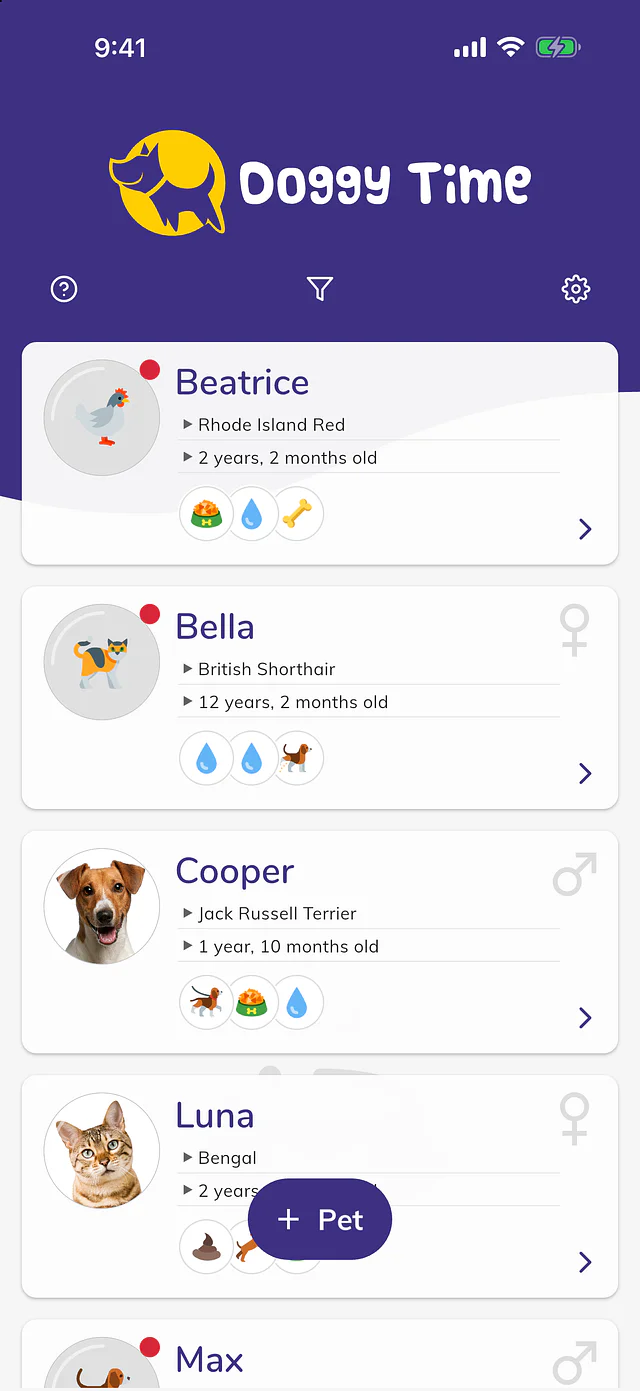
Stay Organized with Doggy Time
Speaking of tracking, make your puppy parenting journey easier with the Doggy Time app! This handy tool helps you log feeding times, potty breaks, and training progress. You can even set smart reminders for vet visits and share updates with family members or pet sitters. It's like having a puppy diary right in your pocket!
Disclaimer: While this information is provided by an experienced puppy trainer, it should not replace professional veterinary advice. If you're concerned about your puppy's health, please consult your veterinarian immediately. Young puppies can become ill quickly, so it's always better to err on the side of caution.
Free tools for this
 Doggy Time
Puppy Weight Calculator
Predict your puppy's adult weight based on their current age and size. Get an estimated weight range and growth...
Try it
Doggy Time
Dog Calorie Calculator
Calculate your dog's daily calorie needs based on their weight, age, activity level, and health goals. Get...
Try it