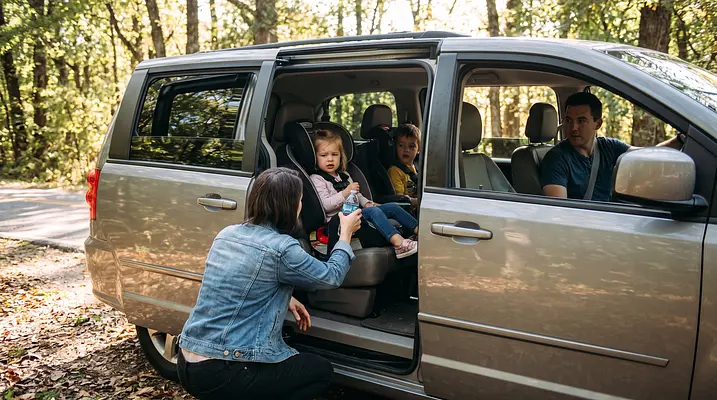
It starts as a cough. Or maybe a sudden, ominous silence from the backseat. Then comes the frantic roll-down of windows and the driver’s desperate plea: "Does anyone have a bag?" If you’ve ever been the driver in that scenario, you know the panic. If you’ve been the parent receiving the call to come pick up a soiled child, you know the mortification. Motion sickness is the uninvited guest of every carpool, turning a simple ride to soccer practice into a high-stakes drama.
While we can’t promise that every ride will be spotless, we can certainly lower the odds of a disaster. A little preparation goes a long way toward keeping the car clean and the kids comfortable. Here is how to handle the twists and turns of motion sickness with grace.
🧒 Why Kids Are Susceptible
Kids are statistically more prone to motion sickness than adults because their sensory systems are still developing. The disconnect between what their eyes see and what their inner ear feels creates a sensory conflict that triggers nausea.
- Wait it out until age 12, when most children naturally outgrow this sensitivity.
- Pack snacks for teenagers, whose symptoms often return during growth spurts due to rapid physiological changes.
- Monitor frequency if symptoms persist into late adolescence, as this may indicate a need for medical intervention.
🪑 The Best Seat in the House
Where a child sits is the single most effective preventative measure you can take. The goal is to help their eyes confirm the movement their body is feeling, reducing that sensory mismatch.
- Position the child in the middle row of a minivan or SUV to minimize the view of the road rushing by.
- Elevate the child with a booster seat so they can see the horizon through the front windshield.
- Avoid the way back in third-row seating, where the ride is bumpier and visibility is often limited to the seats in front.
🥨 The Pre-Ride Menu
An empty stomach is just as dangerous as an overly full one when it comes to motion sickness. The key is bland, easy-to-digest foods that settle the stomach without overfilling it.
- Serve a light meal like crackers, toast, or pretzels one hour before departure.
- Avoid greasy foods like fast food or cheesy pizza before a long drive.
- Offer water in small sips rather than sugary sodas or heavy juices.
- Pack ginger snacks like ginger chews or ginger ale, as ginger is a natural anti-nausea remedy.
🌬️ Ventilation and Temperature
A stuffy car is a recipe for disaster, as stale air and heat can rapidly accelerate the onset of nausea. Good airflow is essential for keeping the brain cool and the stomach settled.
- Direct air vents toward the child’s face to keep them cool and provide fresh oxygen.
- Crack a window slightly to create cross-ventilation if the weather permits.
- Run the AC on days with high humidity, as muggy air often triggers symptoms faster.
📱 The Screen and Reading Problem
We all want kids to be quiet and entertained, but looking down at a screen or a book is a major cause of motion sickness. When the eyes are fixed on a stationary object while the car moves, the brain gets confused.
- Enforce a "screens down" rule on winding roads or during heavy traffic where frequent stops are likely.
- Encourage audio entertainment like podcasts, audiobooks, or music playlists to keep their eyes up.
- Play road games like "I Spy" that force the child to look out the window at the horizon.
🧯 The Essential Cleanup Kit
Every carpool driver should have a dedicated "sick kit" within arm’s reach. When an incident happens, you don’t want to be digging through the trunk for supplies.
- Store gallon-sized Ziploc bags in the seat pocket for immediate containment of soiled clothes.
- Keep a stack of puppy pads or large towels on hand to cover the seat and protect the upholstery.
- Include wet wipes and hand sanitizer for quick cleanup of the child’s face and hands.
- Pack a spare change of clothes in a large plastic bag that can be used to store the messy items later.
- Carry a small trash bag specifically designated for motion sickness waste so it doesn't sit in the car.
🤝 Handling the Incident Graciously
When the worst happens, the driver’s reaction sets the tone. If you panic or get angry, the child will feel humiliated and anxious about future rides. Staying calm turns a disaster into a minor bump in the road.
- Pull over safely as soon as possible to assess the situation and help the child.
- Reassure the child that it happens to everyone and is nothing to be ashamed of.
- Use positive language by saying, "We’ll get this cleaned up in no time," rather than expressing frustration.
- Text the parent discreetly if the child is embarrassed, rather than making a public announcement.
🩺 When to Call the Doctor
Occasional motion sickness is normal, but sometimes it signals something more. If your usual tricks aren't working, it might be time to consult a professional.
- Track the symptoms in a log to see if they occur only in cars or during other activities.
- Consult a pediatrician if the child gets sick on short, straight drives or even when not in a vehicle.
- Ask about medication if the child is going on a long trip and over-the-counter remedies aren't working.
Conclusion
Motion sickness is a messy part of community carpooling, but it shouldn't stop the ride. With the right seat, the right snacks, and a calm attitude, you can handle these moments like a pro. The goal is to get everyone to their destination safely and happily, even if it requires a few stops along the way.
Quick Action Plan
- Move the child to a middle-row seat or booster to improve visibility.
- Crack the window and aim the vents toward their face.
- Ban screens and books during winding sections of the drive.
- Pack a "sick kit" with bags, wipes, and towels before your next trip.
- Focus on the horizon and keep the mood light if sickness strikes.
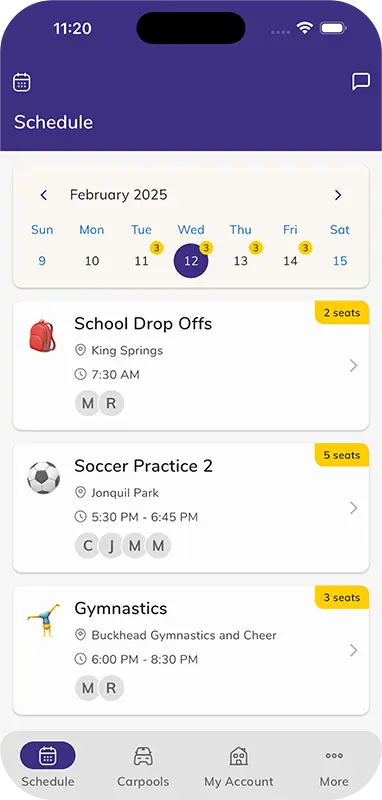
For easier coordination of your community rides, check out the “Kid Hop” app. It helps families, sports teams, and school groups organize carpools so you can focus on the road, not the logistics.