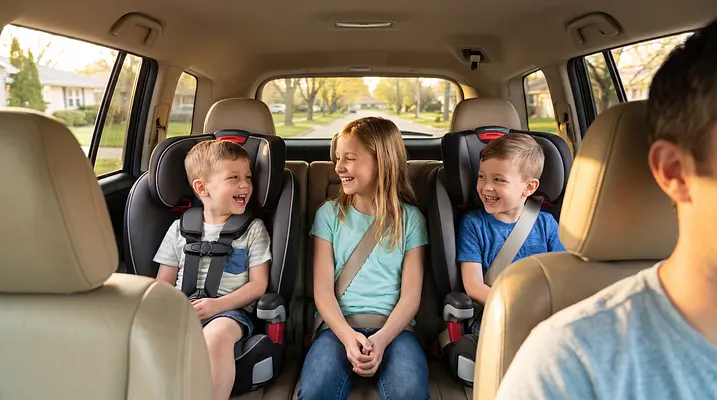
There is a unique magic to the school run or the drive to soccer practice: the car is one of the last places where kids talk sideways instead of face-to-face. Without the pressure of direct eye contact, children often share their deepest worries, their exciting news, and their silly observations in a way they never would at the dinner table. But that magic evaporates the moment a screen glows in the backseat. When we trade conversation for devices, we lose the relaxed intimacy that makes the ride a transition space between home and the world. Shaping the culture inside the car isn’t just about logistics; it’s about protecting that rare sliver of unstructured time.
📱 Agreeing on Screen and Phone Rules
Navigating different household rules regarding screens can be tricky, but the carpool needs a unified policy to avoid conflict. Establish a clear standard at the start of the year or season so every parent and child knows what to expect.
- Initiate a quick group text or email with the other parents before the first ride to discuss current household rules.
- Decide if the car will be a "screen-free zone" or if screens are allowed only with headphones after a certain time.
- Create a "phone basket" or designated pocket where devices go if the rule is to disconnect during the ride.
- Communicate the final decision to the kids clearly so there is no room for "my mom said I could" negotiations. 🛑
- Model the behavior yourself by putting your own phone away unless it is needed for navigation.
🎵 Choosing Music Everyone Can Live With
Music sets the mood, but divergent tastes can quickly turn a pleasant drive into a battle for the aux cord. Finding a middle ground ensures that the driver stays alert and the passengers feel comfortable.
- Ask each rider to suggest one song or artist to add to a collaborative "Carpool Playlist" before the trip starts.
- Rotate DJ duties by the day or the week so that every passenger feels a sense of ownership over the sound. 🎶
- Default to neutral, lyric-safe background music like lo-fi beats or instrumental acoustic covers during busy traffic moments.
- Agree to skip a song immediately if the lyrics are inappropriate, regardless of whose turn it is to pick.
- Keep the volume at a level where a normal conversation can still happen without shouting.
🤫 Protecting Quiet Time for Tired Kids
Not every ride needs to be a social event; sometimes the car is a sanctuary for a child who is overstimulated or exhausted. Recognizing the need for silence is just as important as facilitating fun.
- Observe the energy level of the riders before turning on music or starting a conversation.
- Establish a "Quiet 10" rule where the first or last ten minutes of the ride are designated as silent transition time. 😴
- Encourage kids to bring a book or a small stuffy if they need a low-energy way to decompress.
- Ask a specific question like "Does anyone need some quiet time right now?" to give tired kids permission to opt out.
- Dim the dashboard lights or use sunshades to create a calmer visual environment for sleepy passengers.
🗣️ Conversation Starters and Car Games
When the energy is high and screens are away, having a few tricks up your sleeve keeps the engagement flowing. The best games and topics are age-appropriate and require zero props.
- Use "Would You Rather" questions to get even the shyest riders talking without pressure.
- Play "Twenty Questions" or "I Spy" for younger children who need simple, repetitive entertainment. 🚗
- Ask open-ended questions about the day, such as "What was the funniest thing that happened at lunch?" rather than "How was your day?"
- Suggest "Story Building," where one person starts a sentence and each rider adds a line to create a silly narrative.
- Avoid interrogating kids about grades or homework; focus on friendships, hobbies, and future plans instead.
🛡️ Handling Teasing and Gossip
When you put multiple kids in a small space, teasing or gossip can happen fast, and the driver is in a unique position to steer the tone. Addressing negative behavior firmly but kindly protects the emotional safety of the car.
- Intervene immediately if you hear mean-spirited teasing by saying, "We don't talk about friends like that in this car."
- Redirect the conversation to a neutral topic the moment gossip starts to spiral. 🛑
- Validate feelings without validating the gossip by saying, "It sounds like you had a hard day, but let’s focus on something else."
- Pull aside a repeat offender privately after the ride to discuss expectations for kindness.
- Praise the group specifically when they are supportive of one another to reinforce positive behavior.
🤫 Knowing When to Let the Car Be Quiet
There is often a pressure to fill every silence with chatter or entertainment, but a quiet car can be a sign of a comfortable group. Learning when to stop facilitating and just drive is a skill that builds trust.
- Resist the urge to turn on the radio the moment conversation lulls.
- Check the rearview mirror to see if kids are simply gazing out the window, which is a healthy form of rest. 🌳
- Embrace the silence as a sign that the kids feel safe enough to exist together without performing.
- Use the quiet time yourself to decompress and enjoy the scenery rather than worrying about boredom.
Creating a positive carpool culture takes a little intentionality, but the rewards are worth it. By setting clear boundaries and valuing connection over convenience, we turn a simple ride into a space where friendships grow and kids feel heard. The car becomes more than a vehicle; it becomes a moving living room where the community is built one ride at a time.
Quick Action Plan
- Text the other parents today to agree on a screen policy for the car.
- Create a shared music playlist that every rider can contribute to before the next trip.
- Memorize two "Would You Rather" questions for tomorrow’s ride.
- Commit to keeping the car screen-free for the first ten minutes of every drive.
- Establish a rule that gossip stops the conversation immediately.
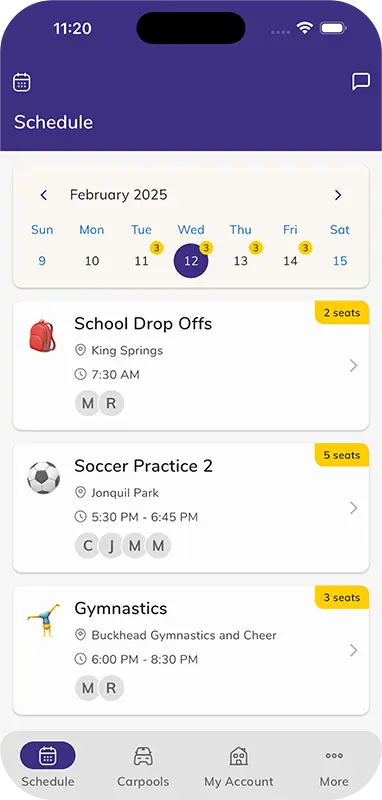
If you are looking for a better way to organize the logistics of your rides, check out the “Kid Hop” app. It helps families, sports teams, school groups, and community friends coordinate with each other on carpools, so you can spend less time texting and more time enjoying the ride.