It’s 6:00 AM on a rainy Tuesday, and the Australian Shepherd you fell in love with on Instagram is pacing circles in your studio apartment. You bought into the bright, heterochromatic eyes and the fluffy coat, but you didn't account for the fact that this dog was bred to run miles alongside livestock. Now, while you’re trying to get ready for your desk job, your companion is destroying the baseboards because he has been awake for twenty minutes and has nothing to do. It is a heartbreaking scenario that happens all too often: we choose with our hearts and eyes, only to realize too late that our lifestyles are completely incompatible with the animal we’ve brought home.
Finding the right dog isn't about finding the cutest face; it is about finding a partner whose natural instincts align with your daily reality.
🏠 Assess Your Living Space
Before you fall in love with a breed, take a hard look at where you live to ensure it can accommodate a dog’s physical needs.
- Measure your available indoor space to see if a dog can move comfortably without knocking over furniture or feeling cramped.
- Research breed-specific size requirements, noting that some large breeds actually do better in apartments than high-energy small breeds.
- Check your rental agreement or HOA rules for any restrictions on weight limits or specific breed bans.
- Evaluate your outdoor access to determine if you have a fenced yard or if you are willing to leash-walk for every single bathroom break.
🏃♂️ Match Energy Levels
The most common reason dogs end up in shelters is a mismatch in energy, so honesty about your own activity habits is crucial.
- Audit your current weekly exercise routine to see if you are actually active enough for a high-energy working breed.
- Differentiate between "weekend warrior" energy and daily stamina, as a dog needs consistent activity every single day.
- Consider your future lifestyle changes, such as having children or retiring, to ensure the dog’s needs will still be met years down the road.
- Look for a breed that matches your reality, not the fantasy version of yourself who goes running at 5:00 AM.
🧠 Understand Temperament and Instincts
Looks can be deceiving, but a dog’s genetic history dictates how they will behave in your home.
- Investigate the breed’s original purpose to understand if they were bred to hunt, herd, guard, or lounge.
- Prepare for instinctual behaviors like digging, barking, or herding if you choose a breed historically wired for those tasks.
- Assess your tolerance for noise, as hounds and terriers will vocalize much more than sight hounds or guardian breeds.
- Evaluate the breed's social needs to determine if they can handle being alone during your workday or if they will develop separation anxiety.
🧸 Consider Grooming and Maintenance
That fluffy coat might look majestic, but it often requires a level of maintenance that can surprise new owners.
- Calculate the monthly grooming budget for professional grooming if you choose a breed with hair that grows continuously, like a Poodle or Shih Tzu.
- Assess your patience for shedding, as some short-haired breeds actually shed more constantly than long-haired breeds.
- Buy the necessary grooming tools ahead of time, such as deshedding rakes or slicker brushes, to maintain the dog's coat health.
- Factor in the time commitment required for daily brushing if you want to keep a long-coated breed mat-free.
👶 Factor in Family and Social Dynamics
A dog becomes part of your social web, so you must ensure they fit in with the humans and animals already in your life.
- Observe how the breed typically interacts with children if you have a young family or frequent young visitors.
- Check the breed's prey drive if you own smaller pets like cats, rabbits, or guinea pigs, as some terriers and hounds may see them as quarry.
- Analyze your social calendar to see if you frequently host guests, and choose a breed that is known for being friendly rather than aloof or protective.
- Discuss the division of labor with your household members to ensure everyone is on board with the care responsibilities.
🩺 Health and Lifespan Considerations
While no dog comes with a health guarantee, knowing the common genetic pitfalls of a breed can save you heartache and money later.
- Research common genetic health issues for specific breeds, such as hip dysplasia in large dogs or breathing issues in flat-faced breeds.
- Budget for potential veterinary costs associated with breed-specific conditions that may arise as the dog ages.
- Consider the expected lifespan of the breed to ensure you are ready for a long-term commitment, which can range from 8 to 18 years.
- Plan for end-of-life care needs, as some breeds age gracefully while others require significant mobility assistance in their senior years.
Disclaimer: I am not a veterinarian. The information provided here is for educational purposes and should not replace professional veterinary advice. Always consult with a qualified vet regarding the health and medical needs of your specific pet.
Bringing a dog into your life is a beautiful, messy, and rewarding commitment. When you look past the aesthetic and choose a companion that truly fits your rhythm, you aren't just avoiding behavioral issues; you are setting the stage for a bond that lasts a lifetime. The right dog is out there, but they might not look exactly like the picture you saved on your phone—they might be better.
📝 Quick Action Plan
- Write down your honest daily schedule, including work hours and relaxation time.
- List three non-negotiable traits you need in a dog, such as "good with cats" or "low shedding."
- Visit a local dog park to observe different breeds in action and talk to owners about their experiences.
- Contact a breed-specific rescue to ask detailed questions about the reality of living with that type of dog.
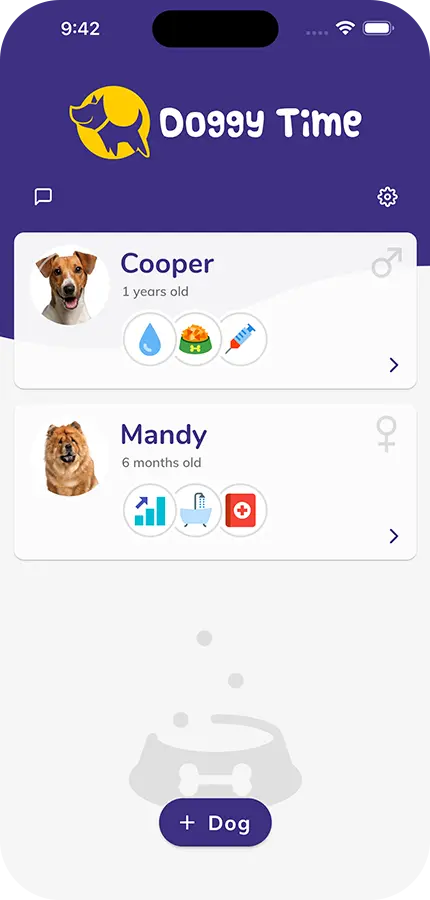
- Download the Doggy Time app to start planning your future pet's schedule and care routine.
If you are ready to start organizing your future pup’s life, consider using Doggy Time. This pet tracker and training log helps you track daily habits and health, log training activities, and set reminders for care schedules. Whether you have dogs, cats, or rabbits, Doggy Time acts as your daily activity tracker and assistant to ensure your new companion stays happy and healthy.