Unlike dogs, who can often skip a meal or two with little consequence, a cat’s body reacts dangerously to fasting after as little as two to three days. When a cat stops eating, their metabolism begins breaking down fat reserves for energy, but the feline liver processes this fat poorly, leading to a life-threatening condition called hepatic lipidosis, or fatty liver disease. This physiological reality turns a simple "tummy ache" into a potential emergency, making it vital for every cat owner to understand why cats stop eating and exactly when to seek professional help.
🩺 Why Your Cat Might Stop Eating
Cats are complex creatures, and a loss of appetite can stem from anything minor stress to serious organ failure. Determining the root cause requires looking at both their physical health and their immediate environment to spot the trigger.
- Check for dental issues like loose teeth, gum inflammation, or oral tumors that make chewing painful. 🦷
- Monitor for signs of nausea such as drooling, lip-licking, or reluctance to swallow food.
- Identify environmental stressors including new pets, house guests, or changes in routine that cause anxiety-driven anorexia.
- Rule out respiratory infections that cause nasal congestion and block the cat's sense of smell, making food unappealing.
- Look for gastrointestinal blockages from swallowed string, hair ties, or hairballs that physically prevent food from passing.
⏳ How Long Is Too Long?
Time is the most critical factor when dealing with a cat that refuses to eat, as the risk of liver damage increases exponentially after 24 hours. While a missed meal here or there isn't always a crisis, a distinct pattern of refusal requires immediate intervention to protect your pet’s long-term health.
- Contact your vet if your cat goes 24 hours without eating a substantial amount of food.
- Treat any fast longer than 48 hours as a medical emergency requiring immediate clinical attention.
- Monitor overweight cats even closer, as they are significantly more prone to rapid liver damage during a fast.
- Track the exact duration of the fast to give your veterinarian an accurate timeline of events.
🚨 The Warning Signs That Mean "Vet Today"
Beyond the empty bowl, specific physical symptoms indicate a crisis that cannot wait for a standard appointment. If you observe any of these red flags, you should call your veterinarian or an emergency clinic immediately rather than waiting to see if the appetite returns.
- Note any vomiting or diarrhea especially if it contains blood or lasts more than 24 hours. 🤢
- Feel for dehydration by gently lifting the skin on the back of the neck; if it stays tented, the cat is dehydrated.
- Observe lethargy or hiding behavior where the cat refuses to move from a secluded spot or ignores interaction.
- Check for a yellow tint in the whites of the eyes or gums, which signals jaundice and liver dysfunction.
- Watch for labored breathing or panting, which can indicate heart issues or fluid in the lungs.
- Detect a strong odor from the mouth that resembles ammonia or fruit, which can suggest kidney failure or diabetes.
🍲 Gentle Ways to Stimulate Appetite
If your cat has only missed one meal and shows no other alarming symptoms, you can try a few safe techniques at home to entice them to eat. These strategies focus on making the food more palatable and reducing the anxiety surrounding mealtime, but they should not replace veterinary care if the refusal persists.
- Warm the food slightly in the microwave for 10 seconds to release strong aromas that stimulate hunger. 🥘
- Offer a different texture such as pâté, shreds, or gravy-heavy varieties to see if a preference has changed.
- Try a novel protein source like chicken or fish that the cat isn't used to eating daily.
- Place the food bowl in a quiet, safe location away from loud appliances or high-traffic areas.
- Use a flat saucer instead of a deep bowl to prevent sensitive whiskers from touching the sides.
- Add a low-sodium broth or the water from a tuna can to enhance the flavor and moisture content of dry kibble.
📝 Quick Action Plan
- Track the exact time your cat last ate a full meal to establish a timeline.
- Inspect the mouth for pain, smell the breath for odors, and check the gums for color.
- Try warming wet food or offering a strong-smelling treat to test for interest.
- Call your veterinarian immediately if 24 hours pass with no food intake or if other symptoms appear.
- Keep your cat hydrated by offering fresh water or broth while you arrange the vet visit.
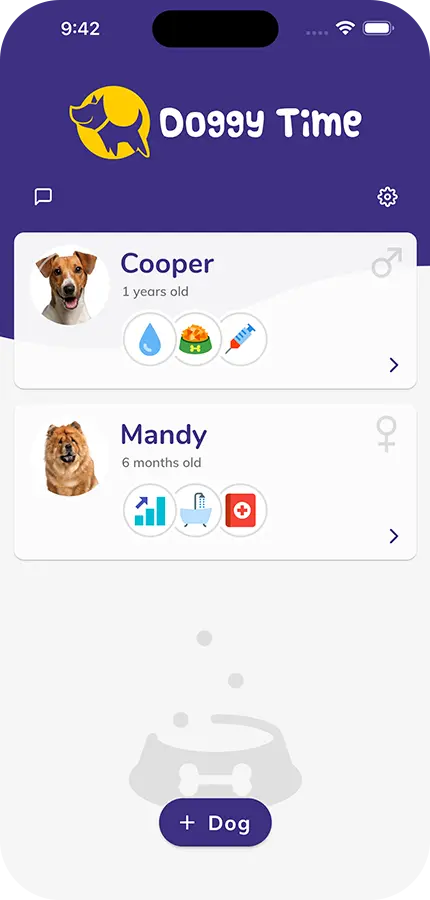
While we often focus on our canine companions, tracking health habits is just as crucial for our feline friends. The Doggy Time app is an excellent tool for this, allowing you to collaborate with family members to log feeding times, activity levels, and health symptoms. With smart alarms and scheduling features, it ensures you never miss a meal or a medication dose, helping you spot health trends before they become emergencies.
Disclaimer: This blog post is for informational purposes only and does not constitute veterinary advice. If your pet is experiencing a health crisis, please consult a licensed veterinarian immediately.