Your vet insists on keeping them indoors to avoid deadly diseases, yet every training book warns that the critical socialization window is slamming shut by the week. It creates a genuine dilemma for new owners who feel trapped between the fear of a contagious illness and the pressure to raise a confident, well-adjusted dog. Navigating this tension requires a strategic approach that prioritizes safety without sacrificing those essential early life lessons.
💉 Understanding the Vaccination Schedule
Puppies receive a series of vaccinations because their maternal antibodies—immunity passed from their mother—interfere with vaccines in the early weeks. This series ensures their immune system is fully prepared to fight off infections.
- Receive the first round at 6 to 8 weeks of age to start building initial protection against core viruses.
- Follow up with boosters every 3 to 4 weeks until the puppy is approximately 16 weeks old.
- Complete the final Distemper-Parvo combination usually given between 14 and 16 weeks to ensure full immunity.
- Administer the Rabies vaccine typically around 12 to 16 weeks, depending on local laws and veterinarian preference.
- Ask your vet about non-core vaccines like Bordetella or Leptospirosis based on your specific lifestyle and geographic risks.
🛡️ What Each Round Protects Against
Each vaccine targets specific, potentially fatal diseases that are unfortunately all too common in unvaccinated dogs. Understanding what you are preventing helps clarify why sticking to the schedule is so vital.
- Fight off Canine Distemper a highly contagious virus that attacks the respiratory, gastrointestinal, and nervous systems.
- Prevent Canine Parvovirus (Parvo) a resilient and deadly virus that causes severe vomiting and bloody diarrhea in puppies.
- Protect against Adenovirus (Hepatitis) which affects the liver, kidneys, and eyes of the infected dog.
- Defend against Parainfluenza a respiratory virus that contributes to the complex known as "kennel cough."
⚠️ The Risk of Parvo and Public Spaces
Parvo is every puppy owner’s nightmare because the virus is incredibly hardy and can survive in the environment for months, or even years. Even a simple walk around the block can pose a significant threat if the environment is contaminated.
- Avoid all public grass and dirt areas where unvaccinated dogs may have relieved themselves previously.
- Recognize that the virus transmits through feces but can be tracked into your home on your own shoes or paws.
- Disinfect your shoes and hands after returning home from public areas before touching your unvaccinated puppy.
- Keep your puppy away from standing water which can harbor Leptospirosis and other bacterial infections.
🐾 How to Socialize Safely Before Full Protection
You don't have to quarantine your puppy completely until the shots are done; in fact, socialization is crucial before they turn 16 weeks old. The key is controlling the environment so your puppy experiences new things without exposure to disease.
- Invite fully vaccinated, friendly dogs to your home to play in a controlled, clean environment.
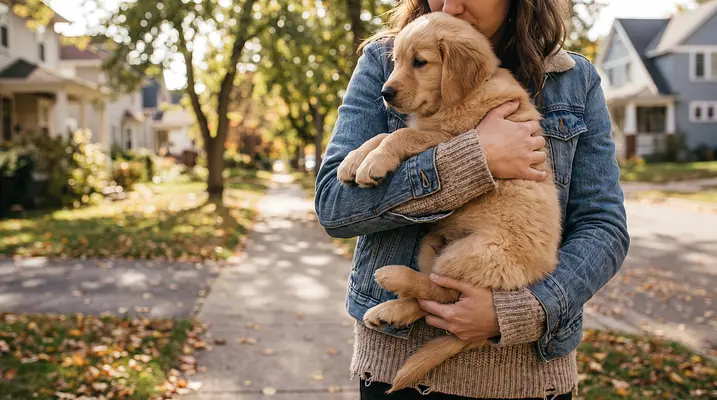
- Carry your puppy in your arms when visiting busy streets or pet-friendly stores to let them observe the world safely.
- Host a "puppy party" where friends come over to handle the puppy gently and offer treats to create positive associations with strangers.
- Enroll in a puppy kindergarten class held on sanitized surfaces, as reputable trainers require proof of vaccination for all attendees.
- Expose your puppy to new sounds and sights like vacuums, cars, and children playing from the safety of your living room or fenced yard.
🏞️ When Dog Parks and Sidewalks Become Safe
The general rule of thumb is to wait until one to two weeks after your puppy’s final vaccination series. This waiting period allows the immune system to mount a full response, ensuring your dog is safe to explore the world freely.
- Wait until 7 to 10 days after the final booster before taking your puppy for walks on public sidewalks or trails.
- Verify that your puppy has received the Rabies vaccine which is legally required before visiting many dog parks and public spaces.
- Start with short, leashed walks to build stamina and confidence before attempting high-energy dog park visits.
- Observe your puppy’s body language closely to ensure they are comfortable and not overwhelmed by the new environment.
📋 Quick Action Plan
- Locate your puppy’s vaccination records and schedule the next appointment immediately if they are due.
- Create a "safe zone" at home where your puppy can explore without risk of contamination from outdoor shoes.
- Invite two or three fully vaccinated, calm dogs over for a playdate this week to start socialization early.
- Carry your puppy on a short field trip to a hardware store or busy street corner to observe traffic and people.
- Mark the date on your calendar when the final vaccination series is complete so you know exactly when "freedom day" arrives.
Navigating the puppy vaccination period requires patience and vigilance, but it is a temporary phase that pays off for a lifetime. By following the proper schedule and socializing smartly, you are setting the foundation for a healthy, happy, and well-adjusted companion who is ready to explore the world by your side.
Disclaimer: This blog post is for informational purposes only and does not constitute veterinary advice. Always consult with your local veterinarian regarding your puppy’s specific health needs and vaccination schedule.
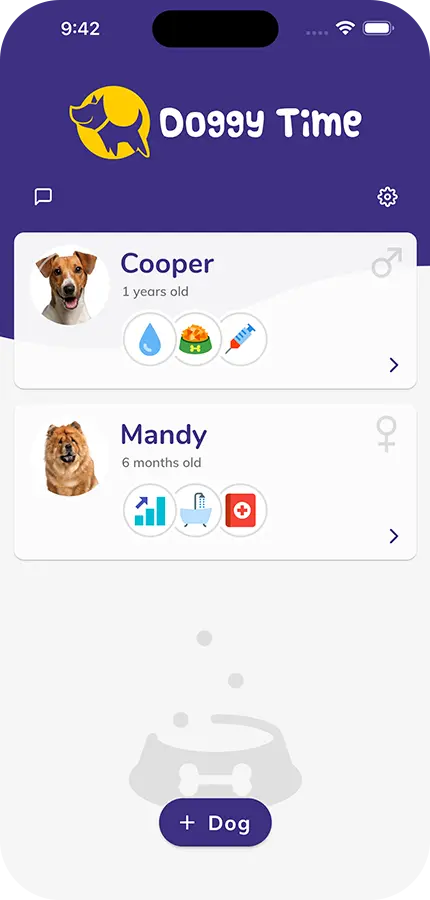
To help manage your puppy’s busy schedule, consider using the Doggy Time app. It helps you collaborate with family members on logging pet activities, training progress, and health records, complete with smart alarms and scheduling features to ensure you never miss a booster or a meal.