It starts with a simple text thread or a handshake at the pickup line: "I’ve got Monday, you take Wednesday." For busy parents, carpooling is a lifeline that saves time, gas, and sanity. But underneath that helpful exchange lies a question nobody really wants to ask out loud: who is responsible if something goes wrong? It is the quiet worry behind an otherwise casual arrangement, and while we don’t like to think about it, understanding the answer is part of keeping our kids safe.
The good news is that insurance companies generally understand how parents operate. You aren't expected to turn your minivan into a commercial vehicle just because you’re dropping off a teammate. However, assumptions can be dangerous, and a little preparation goes a long way toward protecting your family and your peace of mind.
🚗 How Personal Auto Coverage Treatimates Passengers
Most parents assume their personal auto policy covers every seat in the car, but it helps to know exactly how liability and medical payments work when other people's children are involved. Generally, your policy follows the vehicle, meaning your liability coverage is the first line of defense if you are found at fault for an accident.
- Review your liability limits to ensure they are high enough to protect your assets in a serious accident.
- Check if your policy includes "Medical Payments" or "MedPay" coverage, which can help cover immediate medical bills for passengers regardless of who is at fault.
- Ask your insurer if your policy includes "permissive use" clauses that cover occasional drivers using your car.
- Verify that your policy does not have a "step-down" clause that lowers your liability limits when a non-family member is driving.
🚫 Why Informal Carpools Are Not Ridesharing
There is often confusion about whether a school run counts as "ridesharing for hire," similar to driving for Uber or Lyft. Fortunately, most informal parent carpools are considered distinct from commercial livery because there is no profit motive and the arrangement is incidental.
- Understand that insurance companies define "for hire" by the exchange of money for the specific purpose of transportation.
- Avoid accepting cash payments that exceed the actual cost of gas and tolls to keep the arrangement clearly non-commercial.
- Recognize that simply splitting the cost of fuel or taking turns driving does not usually turn a personal policy into a business risk.
- Confirm with your agent that your specific carpool arrangement fits your insurer’s definition of a "personal use" vehicle.
📞 Questions Worth Asking Your Agent
Your insurance agent is your best resource for clarifying the gray areas of your policy before an incident occurs. A five-minute phone call can clear up misconceptions and ensure you have the right documentation on file.
- Ask specifically if there are any exclusions for "business use" when transporting children for school or extracurricular activities.
- Inquire about the difference between "occasional" carpooling and a regular, scheduled route that might trigger different policy requirements.
- Request a clear explanation of how your policy handles claims when other people's children are injured in your vehicle.
- Discuss the benefits of an umbrella policy, which provides an extra layer of liability protection beyond your standard auto limits.
📝 Keeping Permission and Medical Info on Hand
In the chaos of a school morning, it is easy to forget paperwork, but having the right information in your glovebox is critical. Written permission and medical details can streamline emergency response and protect you legally.
- Create a simple "Carpool Permission Form" for each child that grants you authorization to transport them and seek medical treatment if necessary.
- Include critical medical details such as allergies, current medications, and the name of the child’s pediatrician on the same form.
- Store a physical copy of these documents in your glove compartment rather than relying solely on your phone, which can lose battery or signal.
- Update these forms at the start of every school year or sports season to ensure all contact numbers are current.
🏫 What Schools and Leagues Typically Require
Schools and sports organizations often have their own liability concerns, and their requirements can impact your personal insurance responsibilities. Understanding these external rules helps you stay compliant with both the organization and your insurer.
- Check with your school or league office to see if they require proof of insurance or a specific waiver for parent drivers.
- Look for "volunteer driver" forms that often require you to list your policy number and carrier.
- Note that some leagues require drivers to be over a certain age (often 25) or have a clean driving record for a specific number of years.
- Ensure you sign any hold-harmless agreements provided by the organization so you understand the scope of their liability coverage.
🚨 What to Do at the Scene of an Accident
If an accident occurs, the priority is always safety and calm, but knowing the correct steps to take with other people's children in the car is vital. Acting quickly and responsibly can mitigate the long-term impact of the incident.
- Call 911 immediately to report the accident and request medical assistance if there is any doubt about injuries.
- Check on all passengers, prioritizing children who may be too young or scared to voice their pain.
- Exchange information with the other driver, including insurance details, but avoid discussing fault or assigning blame at the scene.
- Contact the parents of the passengers as soon as possible to inform them of the situation and the child's condition.
- Take photos of the scene, vehicle damage, and visible injuries to document the conditions for insurance purposes.
🛡️ Conclusion
Carpooling is a community effort that relies on trust, but that trust is strongest when it is backed by diligence. We don’t drive our neighbors' kids because we expect something to go wrong; we do it because we are all in this together. By taking a few moments to review your coverage and organize your paperwork, you can drive with confidence, knowing you have done your due diligence.
Quick Action Plan
- Call your insurance agent today to discuss your liability limits and carpool coverage.
- Draft a permission and medical information form for every child you transport regularly.
- Store physical copies of these forms in your glove box for easy access.
- Check with your school or sports league regarding their specific driver requirements.
- Review your policy annually to ensure your coverage grows with your family's needs.
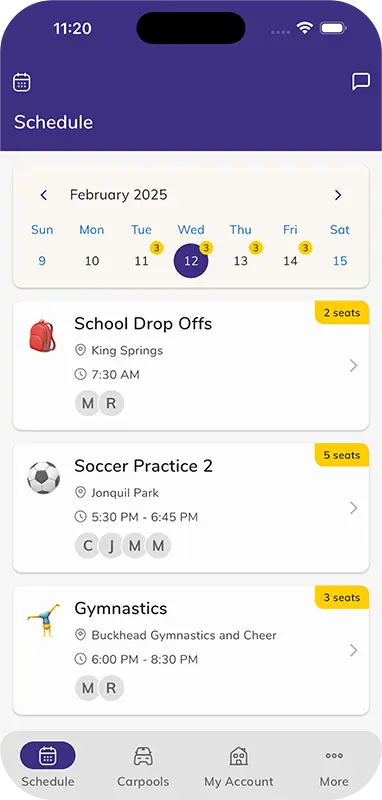
For an easier way to manage the logistics of who is driving when, consider using the *Kid Hop** app. It helps families, sports teams, school groups, and community friends coordinate schedules and carpools seamlessly, so you can spend less time organizing and more time driving.*