Few things make a sore throat feel more confusing than tonsillitis, because two children with the same illness can seem completely different. One may still want to play, while another curls up and refuses to talk. Understanding what tonsillitis is, what to notice, and how to organize what you see can make the next conversation with your pediatrician much easier for everyone.
🩺 What Tonsillitis Is
Tonsils are two soft tissue clusters at the back of the throat that help the body respond to germs that enter through the nose and mouth. Tonsillitis means the tonsils have become swollen and inflamed, most often because of an infection. Many cases are caused by viruses, while some are caused by bacteria, and telling them apart is a job for a clinician.
- Remember that tonsillitis is common in school-age children, who are exposed to many germs in group settings.
- Know that the same sore throat can have different causes, so the exact cause is worth discussing with your pediatrician.
- Understand that the body's immune response is often what causes the swelling and discomfort you see.
🔍 Understanding the Common Signs
Families usually notice tonsillitis through a combination of changes rather than one single symptom. Pediatric guidance commonly describes the following patterns, which you may simply observe during everyday care.
- Picture a child who says their throat hurts, especially when swallowing.
- Notice that a child may seem less hungry or prefer softer foods.
- Recognise that a child may feel tired, irritable, or more clingy than usual.
- Observe whether the child has a fever, since a raised temperature is a common companion of infection.
- Understand that the throat may look red or have white or yellow patches, which only a clinician can interpret properly.
📝 Keeping a Simple Symptom Log
A written record is one of the most useful gifts you can offer your child's care team. Clear notes help a pediatrician see patterns that are hard to recall from memory, especially when several caregivers are involved.
- Write down the date and time each new symptom first appeared.
- Note any fever readings along with the method you used and the time you recorded them.
- Describe how your child's eating, drinking, and sleeping have changed, using their own words where possible.
- Record anything that seems to make the symptoms feel different, including activities, foods, or settings.
- Keep the log in one place, whether a notebook or a digital tool, so everyone can find it quickly.
🗣️ Preparing for a Pediatrician Visit
A well-prepared visit helps the appointment go smoothly and ensures important details are not forgotten under pressure. Think of your notes as a bridge between what happened at home and what the clinician needs to know.
- Bring your symptom log and a list of questions you want answered.
- Gather a complete list of any medicines or supplements your child takes, along with who manages them.
- Mention any allergies, past illnesses, or recent exposures to sick classmates or family members.
- Ask the clinician to explain what they are looking for and why, so you understand the reasoning behind their questions.
- Write down the answers and next steps during the visit so you have them later.
🛋️ Comforting Your Child at Home
Sick children often need as much emotional reassurance as they need practical care. Your calm presence can make a frightening illness feel more manageable, even when you are still waiting for answers.
- Speak in a gentle, steady voice that tells your child they are not alone.
- Offer quiet activities such as picture books, audio stories, or drawing that do not require much energy.
- Explain what is happening in simple words, such as "your throat is swollen and the doctor will help us understand why."
- Keep a familiar comfort object nearby and let your child choose where they feel safest.
🤝 Coordinating Care Among Caregivers
When several adults look after a child, small details can slip through the cracks. A shared plan keeps everyone on the same page and reduces stress for the child and the grown-ups alike.
- Share your symptom log with partners, grandparents, babysitters, and teachers so everyone sees the same information.
- Agree on one person who will call the pediatrician and keep the main record.
- Decide in advance how you will update each other, such as a quick message after each new symptom.
- Clarify who is responsible for any written instructions from the clinician so nothing is missed.
🚨 When Guidance Says to Reach Out Quickly
Most tonsillitis cases are managed with close observation and professional advice, but some changes call for immediate help. Pediatric and public health sources widely list the following among the reasons families are told to make contact without delay.
- Noisy or labored breathing, or a child who seems to struggle to breathe.
- Drooling or an inability to swallow saliva.
- Severe difficulty swallowing that prevents drinking.
- Unusual sleepiness or difficulty waking up.
- A rash, a stiff neck, or a fever that is persistent or seems unusually high.
For any emergency, contact your local emergency number right away. Guidance from professionals on the line, rather than from an article, should direct what happens next.
💛 Looking After Yourself
Caring for a sick child can be exhausting, and your own wellbeing matters too. Taking small steps to look after yourself helps you stay organized and present for your child.
- Accept offers of help from friends or family, even if it is just a short break.
- Rest when you can, even if you cannot sleep fully.
- Talk to a trusted person about your worries rather than carrying them alone.
- Remember that feeling worried is a natural response to a child's illness.
✅ Quick Action Plan
- Start a simple symptom log today with dates, times, and what you observe.
- Write a list of questions to bring to your pediatrician.
- Share the log with everyone who cares for your child.
- Note any medicines or allergies in one easy-to-find place.
- Save your local emergency number somewhere you can reach it quickly.
- Take a few minutes for yourself today, even if it is only a short walk.
Tonsillitis can feel alarming, but clear observations and good communication go a long way toward helping your child feel safe. Keep your notes, lean on your care team, and trust that you do not have to figure everything out alone.
This article is for educational purposes only. It is not medical advice, and it cannot diagnose, treat, or replace the guidance of a qualified professional. Always consult your child's pediatrician or another qualified healthcare professional about symptoms, medicines, and any decisions about your child's care.
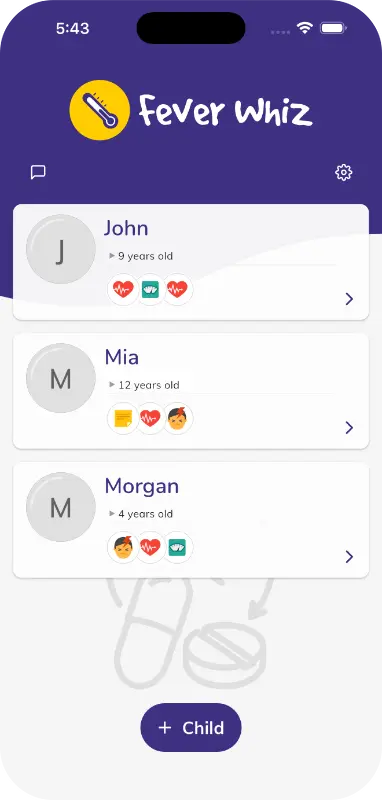
Keeping all of these details in one place can be easier with the Fever Whiz app. It helps parents and caregivers log medications, temperatures, and symptoms, set reminders, visualize trends, store important medical documents, and share a real-time care timeline with everyone looking after your child. It is a private record-keeping tool, not a medical device, so it is best used alongside, never instead of, your pediatrician's advice.