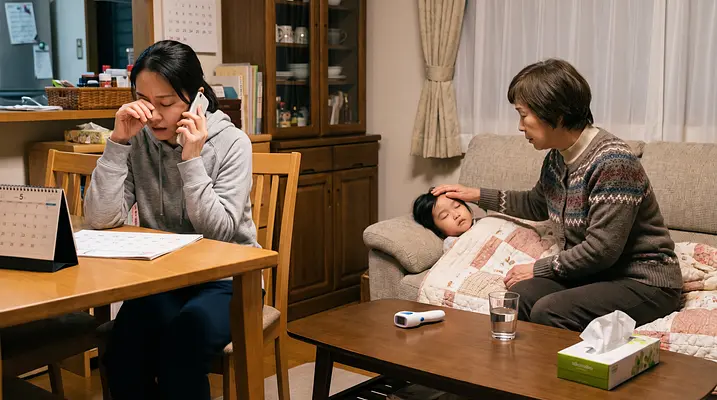
जैसे ही आपको एहसास होता है कि आपका छोटा बच्चा बीमार है, एक विशेष प्रकार की थकान तुरंत शुरू हो जाती है। शायद रात के बीच में आपको उनका माथा गर्म लगता है, या शायद वे उस समय फीके और बेजान उठते हैं जब वे आमतौर पर दीवारों से टकरा रहे होते हैं। जैसा भी पल हो, चिंता, प्यार और व्यवस्था के लिए भागदौड़ का यह मिश्रण लगभग हर देखभालकर्ता को अच्छी तरह पता है।
अच्छी खबर यह है? आपको अकेले यह सब नहीं करना पड़ता। जब माता-पिता, दादा-दादी और सिटर्स एक सच्ची देखभाल टीम के रूप में एक साथ काम करते हैं, तो बीमारी के दिन आपके बच्चे के लिए और उनकी देखभाल कर रहे सभी लोगों के लिए अधिक प्रबंधनीय बन जाते हैं। यह पोस्ट बीमार बच्चे की देखभाल के नरम, संगठनात्मक पहलू के बारे में है: शांत रहना, समन्वित रहना, और यह सुनिश्चित करना कि आपका छोटा बच्चा हर कदम पर प्यार और समर्थन महसूस करे।
सबसे पहले: एक सांस लें
तार्किक योजना में कूदने से पहले, अपने आप को एक पल दें। जब आपका बच्चा ठीक नहीं महसूस कर रहा होता है, तो चिंतित महसूस करना पूरी तरह से स्वाभाविक है। लेकिन बच्चे आसपास की ऊर्जा को समझने में अद्भुत रूप से अच्छे होते हैं, और एक शांत, स्थिर देखभालकर्ता एक बीमार बच्चे के लिए सबसे आराम देने वाली चीजों में से एक है।
अपने आप को याद दिलाएं: आपको सभी उत्तर जानने की उम्मीद नहीं है। आपका काम अभी यही है कि आप अवलोकन करें, आराम दें, व्यवस्थित रहें, और जरूरत पड़ने पर सही पेशेवरों से जुड़ें। बस इतना। बाकी सब इसी से आगे बढ़ता है।
जरूरत पड़ने से पहले अपनी देखभाल टीम बनाएं
आप जो सबसे मूल्यवान काम कर सकते हैं — आदर्श रूप से बीमारी के दिन से पहले — वह है एक स्पष्ट, विश्वसनीय देखभाल टीम की स्थापना करना। इसमें शामिल हो सकते हैं:
- दोनों माता-पिता या सह-माता-पिता, भले ही शेड्यूल जटिल हों
- दादा-दादी जो पास में हों और शामिल होने के लिए तैयार हों
- एक नियमित बेबीसिटर या नानी जो पहले से ही आपके बच्चे की दिनचर्या जानते हों
- एक विश्वसनीय पड़ोसी या परिवार का दोस्त बैकअप के लिए
इस टीम के पहले से मौजूद होने का मतलब है कि जब बीमारी आती है (और आती है!), तो आप शून्य से शुरुआत नहीं कर रहे हैं। आपको पहले से पता है कि किसे बुलाना है, कौन आपके बच्चे को जानता है, और कौन तब शामिल हो सकता है जब आपको आराम की जरूरत हो या काम पर वापस जाना हो।
💡 प्रो टिप: अपनी देखभाल टीम के साथ अभी एक त्वरित, अनौपचारिक बातचीत करें कि आपके घर में बीमारी के दिन कैसे दिखते हैं। आपकी प्राथमिकताएं क्या हैं? आपके बच्चे को क्या आराम देता है? बाल रोग विशेषज्ञ को बुलाने की प्रक्रिया क्या है? पहले से सभी को एक ही पृष्ठ पर लाने से बहुत बड़ा अंतर पड़ता है।
चीजों को लिखने की शक्ति
जब आप थके हुए और चिंतित होते हैं, तो आपकी याददाश्त आपकी मित्र नहीं होती। इसीलिए आप जो सबसे मददगार आदत बना सकते हैं वह सिर्फ चीजों को लिखना है — और हर देखभालकर्ता को ऐसा करने के लिए प्रोत्साहित करना है।
बीमारी के दिन के दौरान ट्रैक करने लायक जानकारी कुछ इस तरह की है:
- तापमान रीडिंग — वे किस समय ली गईं और किस विधि का उपयोग किया गया (कान, माथा, बगल आदि)
- लक्षण — आप क्या देख रहे हैं, यह कब शुरू हुआ, और लग रहा है कि यह बेहतर या बदतर हो रहा है
- खाना और पीना — क्या आपका बच्चा तरल पदार्थ ले रहा है? क्या वे बिल्कुल खा रहे हैं?
- नींद — वे कितनी आराम कर रहे हैं, और क्या नींद आरामदायक या बेचैन लग रही है?
- मूड और व्यवहार — क्या वे सजग और प्रतिक्रियाशील हैं, या असामान्य रूप से थके हुए हैं?
- कोई भी दी गई दवाएं — क्या दी गई, कब, और किसने दी (किसी भी दवा के बारे में हमेशा अपने बाल रोग विशेषज्ञ के विशिष्ट निर्देशों का पालन करें)
यह अंतिम बिंदु विशेष रूप से महत्वपूर्ण है जब कई देखभालकर्ता शामिल होते हैं। स्पष्ट, लिखित रिकॉर्ड उस भ्रम को रोकते हैं जो तब हो सकता है जब दादी को लगता है कि माँ ने पहले ही एक खुराक दे दी है, या सिटर को यकीन नहीं होता कि आखिरी तापमान कब लिया गया था। एक साझा लॉग सभी को सूचित रखता है और आपको आपके बाल रोग विशेषज्ञ को बुलाते या मिलते समय सटीक तस्वीर देने में मदद करता है।
देखभालकर्ताओं के बीच हैंडऑफ का समन्वय करना
बीमारी के दिन के हैंडऑफ को एक रिले दौड़ की तरह सोचें — छड़ी (आपके बच्चे की देखभाल) को चिकनाई से पार किया जाना चाहिए, बिना किसी जानकारी के गिरे। यहां बताया गया है कि उन संक्रमणों को जितना संभव हो उतना सहज कैसे बनाया जाए:
एक सरल बीमारी के दिन की जानकारी बनाएं
जब एक देखभालकर्ता दूसरे को हैंडऑफ करता है, तो पांच मिनट लें और साझा करें:
- पिछले कुछ घंटों में आपका बच्चा कैसा महसूस कर रहा है
- सबसे हाल की तापमान रीडिंग और वह कब ली गई थी
- उन्होंने क्या खाया या पिया (और क्या उन्होंने मना किया)
- कोई भी लक्षण जो बदल गए या दिखाई दिए
- अभी उन्हें क्या आराम दे रहा है
- आपके बाल रोग विशेषज्ञ के कोई निर्देश
लिखित लॉग द्वारा समर्थित एक त्वरित मौखिक सारांश भी बहुत बड़ा अंतर ला सकता है।
एक "पॉइंट पर्सन" नियुक्त करें
जब कई देखभालकर्ता शामिल होते हैं, तो एक व्यक्ति — आमतौर पर एक माता-पिता — को केंद्रीय समन्वयक के रूप में कार्य करने में मदद मिलती है। यह व्यक्ति:
- लक्षणों और अवलोकनों का मास्टर लॉग रखता है
- बाल रोग विशेषज्ञ के लिए प्राथमिक संपर्क है
- देखभाल के बारे में अंतिम निर्णय लेता है
- टीम के बाकी सदस्यों को अपडेट करता है
इसका मतलब यह नहीं है कि अन्य देखभालकर्ता मूल्यवान नहीं हैं — इसका मतलब बस इतना है कि संचार की एक स्पष्ट श्रृंखला है ताकि कुछ भी छूटे नहीं।
एक साझा संचार चैनल स्थापित करें
एक सरल ग्रुप टेक्स्ट, एक साझा नोट्स ऐप, या एक समर्पित देखभाल-ट्रैकिंग टूल काम कर सकता है। लक्ष्य यह है कि आपके बच्चे की देखभाल करने वाला कोई भी व्यक्ति सबसे अद्यतन जानकारी तक तुरंत पहुंच सके, बिना पांच फोन कॉल करने के जिससे इसे जोड़ा जा सके।
अपने बाल रोग विशेषज्ञ के लिए क्या अवलोकन और नोट करना है
आप अपने बच्चे को किसी की तुलना में बेहतर जानते हैं। जब आप अपने बाल रोग विशेषज्ञ से बात करने या उनसे मिलने की तैयारी कर रहे होते हैं, तो यह ज्ञान वास्तव में मूल्यवान होता है। यहां कुछ चीजें हैं जिनका अवलोकन करने और लिखने लायक है:
- लक्षण कब शुरू हुए? जितना संभव हो उतना विशिष्ट रूप से याद रखें
- लक्षण समय के साथ कैसे बदले हैं? बेहतर हो रहे हैं, बदतर हो रहे हैं, या वैसे ही रह रहे हैं?
- हाल ही में कोई अन्य घर के सदस्य बीमार थे? यह संदर्भ मददगार हो सकता है
- क्या आपका बच्चा किसी बीमार व्यक्ति के आसपास रहा है? स्कूल, डेकेयर, एक प्लेडेट पर?
- आपके बच्चे को अधिक या कम आराम क्या देता है?
- क्या आपके बच्चे को पहले इस तरह की बीमारी हुई है? यह कैसे ठीक हुई?
जब आप अपने बाल रोग विशेषज्ञ के कार्यालय को कॉल करते हैं, तो यह जानकारी तैयार रखने का मतलब है कि आप एक स्पष्ट, शांत, व्यवस्थित तस्वीर दे सकते हैं — जिससे वे आपकी अधिक प्रभावी तरीके से मदद कर सकते हैं।
🩺 अपने बच्चे के लक्षणों, स्वास्थ्य या देखभाल के बारे में किसी भी प्रश्न के लिए हमेशा अपने बाल रोग विशेषज्ञ या एक योग्य स्वास्थ्य सेवा पेशेवर से परामर्श करें। अगर आप कभी भी यह सुनिश्चित नहीं कर पा रहे हैं कि कुछ कॉल के लायक है या नहीं, तो कॉल करने की ओर झुकें। यही वह चीज है जिसके लिए आपका बाल रोग विशेषज्ञ कार्यालय वहां है।
घर पर एक बीमार बच्चे को आराम देना
तार्किक योजना के अलावा, सब कुछ का दिल है: आपका बच्चा ठीक महसूस नहीं कर रहा है, और उसे प्यार और सुरक्षा महसूस करने की जरूरत है। आराम देने के कुछ कोमल, गैर-चिकित्सा तरीके यहां दिए गए हैं:
उनके नेतृत्व का अनुसरण करें
कुछ बीमार बच्चे लगातार पकड़े जाना चाहते हैं। दूसरों को एक कंबल और उनके पसंदीदा शो के साथ अकेला छोड़ दिया जाना चाहिए। कुछ को दोनों चाहिए, पांच मिनट के अंतराल पर। यहां तक कि अगर वे इसे स्पष्ट रूप से व्यक्त नहीं कर सकते हैं, तो भी अपने बच्चे के लिए क्या पूछ रहे हैं, उसके लिए ट्यून करने की कोशिश करें।
एक आरामदायक बीमारी के दिन का घोंसला बनाएं
सोफे या बिस्तर पर एक आरामदायक जगह, उनके पसंदीदा स्टफ्ड एनिमल, एक नरम कंबल, और तरल पदार्थों तक आसान पहुंच के साथ, बहुत बड़ा अंतर ला सकता है। परिचित, आराम देने वाले वातावरण बच्चों को सुरक्षित महसूस कराते हैं जब उनका शरीर अस्वस्थ महसूस होता है।
चीजों को शांत और शांत रखें
जोरदार, उत्तेजक वातावरण बीमारी से ग्रस्त बच्चे के लिए भारी पड़ सकता है। मधुर संगीत, एक शांत आवाज, और कोमल प्रकाश एक शांत वातावरण बनाने में सभी मदद कर सकते हैं।
तरल पदार्थों को कोमलता से और अक्सर प्रदान करें
जब बच्चा बीमार होता है तो हाइड्रेशन बनाए रखना आम तौर पर महत्वपूर्ण होता है — लेकिन हमेशा अपने बाल रोग विशेषज्ञ के विशिष्ट निर्देशों का पालन करें कि उनकी उम्र, आकार और लक्षणों के आधार पर आपके बच्चे को क्या और कितना पीना चाहिए।
उपस्थिति की शक्ति को कम मत समझें
कभी-कभी सबसे उपचारात्मक चीज बस वहां होना होती है। पास बैठना, जोर से पढ़ना, एक कोमल फिल्म एक साथ देखना, या बस एक हाथ पकड़ना — इन छोटे कार्यों की उपस्थिति एक बच्चे के लिए सब कुछ का अर्थ रखती है जो ठीक महसूस नहीं कर रहा है।
दादा-दादी और सिटर्स को आराम के संकेत दें
अगर कोई और आपके बच्चे की देखभाल कर रहा है, तो उन छोटी चीजों को साझा करें जो मदद करती हैं। क्या आपके बच्चे को उनकी पीठ रगड़ना पसंद है? क्या उनके पास एक विशिष्ट आराम वस्तु है जिसकी उन्हें आसपास की जरूरत है? क्या कोई ऐसा शो या गाना है जो हमेशा उन्हें शांत कर देता है? ये विवरण अन्य देखभालकर्ताओं को आत्मविश्वास और गर्मजोशी के साथ शामिल होने में मदद करते हैं।
एक देखभालकर्ता के रूप में अपनी देखभाल करना
यह हिस्सा अक्सर छूट जाता है, लेकिन इसका बहुत महत्व है: आप खाली कप से नहीं डाल सकते।
एक बीमार बच्चे की देखभाल करना भावनात्मक और शारीरिक रूप से थकाऊ होता है, खासकर जब यह कई दिनों तक फैल जाता है या आपकी नींद में बाधा डालता है। यहां कुछ कोमल याद दिलाने हैं:
जब मदद की पेशकश की जाए तो स्वीकार करें
अगर दादी आने की पेशकश करती हैं ताकि आप सो सकें, तो हां कहें। अगर आपका साथी एक शिफ्ट ले सकता है, तो उन्हें लेने दें। मदद स्वीकार करना कमजोरी नहीं है — यह बुद्धिमत्ता है। और एक आराम किया हुआ देखभालकर्ता एक बेहतर देखभालकर्ता है।
कुछ खाएं और पिएं
यह लगभग बहुत सरल लगता है, लेकिन जब आप देखभालकर्ता मोड में होते हैं, तो अपनी बुनियादी जरूरतों की देखभाल करना भूलना आसान होता है। एक नाश्ता लें। कुछ पानी पिएं। आपको भी ईंधन की आवश्यकता है।
अपने आप को जो भी महसूस करने की अनुमति दें
चिंता, निराशा, उदासी, असहायता — ये सभी सामान्य भावनाएं हैं जब आपका बच्चा बीमार होता है। आपको खुशमिजाजी का प्रदर्शन करने की आवश्यकता नहीं है। थके और डरे हुए महसूस करना ठीक है। जो मायने रखता है वह यह है कि आप लगातार आ रहे हैं, और आप पहले से ही ऐसा कर रहे हैं।
जब समर्थन मांगने का समय हो तो जानें
अगर आप अतिभारित महसूस कर रहे हैं, तो संपर्क करें — अपने साथी, एक दोस्त, एक परिवार के सदस्य, या एक पैरेंटिंग सपोर्ट लाइन तक। आपको इसे अकेले नेविगेट करने की आवश्यकता नहीं है।
बाल रोग विशेषज्ञ को कॉल करने का समय (या त्वरित देखभाल लेने का)
हालांकि यह पोस्ट बीमारी के दिनों के संगठनात्मक और भावनात्मक पहलू पर केंद्रित है, यह स्पष्ट रूप से कहना महत्वपूर्ण है: अगर आप अपने बच्चे के स्वास्थ्य के बारे में चिंतित हैं, तो हमेशा अपने बाल रोग विशेषज्ञ से संपर्क करें या त्वरित देखभाल लें।
अपने अंतर्ज्ञान पर भरोसा करें। आप अपने बच्चे को जानते हैं। अगर कुछ गलत लग रहा है — अगर वे असामान्य रूप से थके हुए लग रहे हैं, सांस लेने में परेशानी हो रही है, सामान्य रूप से प्रतिक्रिया नहीं दे रहे हैं, या अगर आप बस चिंतित हैं — तो अपने बाल रोग विशेषज्ञ के कार्यालय को कॉल करने या आपातकालीन देखभाल लेने में संकोच न करें।
⚠️ किसी भी आपातकाल या चेतावनी संकेतों के लिए, तुरंत 911 को कॉल करें या अपने निकटतम आपातकालीन कक्ष में जाएं। अगर आपको लगता है कि आपका बच्चा खतरे में है, तो मदद लेने के लिए कभी इंतजार न करें।
आपका बाल रोग विशेषज्ञ आपके बच्चे के स्वास्थ्य में आपका साझेदार है। कोई भी सवाल बहुत छोटा नहीं है, और कोई भी चिंता बहुत छोटी नहीं है जिसे उठाया जा सके। वे इसी के लिए वहां हैं।
दादा-दादी और सिटर्स के लिए एक नोट जो आपके बच्चे की देखभाल कर रहे हैं
दादा-दादी और सिटर्स बीमारी के दिन में बहुत गर्मजोशी और प्यार लाते हैं — लेकिन उन्हें हमेशा आपके बच्चे के विशिष्ट स्वास्थ्य इतिहास, आपके बाल रोग विशेषज्ञ का संपर्क जानकारी, या देखभाल के बारे में आपकी प्राथमिकताओं का पता नहीं हो सकता। उनके शामिल होने से पहले, सुनिश्चित करें कि उनके पास है:
- आपके बाल रोग विशेषज्ञ का नाम और फोन नंबर
- आपकी आपातकालीन संपर्क जानकारी
- आपके बच्चे के कोई ज्ञात एलर्जी या स्वास्थ्य स्थिति
- आपके बच्चे का वर्तमान लक्षण लॉग और कोई प्रासंगिक अवलोकन
- आपको, डॉक्टर को या 911 को कब कॉल करना है, इसके बारे में स्पष्ट निर्देश
- आराम उपायों और दैनिक दिनचर्या के बारे में आपकी प्राथमिकताएं
अच्छी जानकारी के साथ अपनी देखभाल टीम को सशक्त बनाना आप जो सबसे दयालु चीज कर सकते हैं — उनके लिए और आपके बच्चे के लिए।
📋 अस्वीकरण
यह ब्लॉग पोस्ट केवल सामान्य शैक्षिक और सूचनात्मक उद्देश्यों के लिए है। यह चिकित्सा सलाह नहीं है, और इसे पेशेवर चिकित्सा मार्गदर्शन, निदान या उपचार के विकल्प के रूप में उपयोग नहीं किया जाना चाहिए। हर बच्चा अलग होता है, और केवल एक योग्य बाल रोग विशेषज्ञ या स्वास्थ्य सेवा पेशेवर ही आपके बच्चे की विशिष्ट स्वास्थ्य आवश्यकताओं पर आपको सलाह दे सकता है। अपने बच्चे के स्वास्थ्य, लक्षणों, दवाओं या देखभाल के बारे में किसी भी प्रश्न या चिंता के लिए हमेशा अपने बाल रोग विशेषज्ञ या एक योग्य स्वास्थ्य सेवा पेशेवर से परामर्श करें। आपातकाल में, तुरंत 911 को कॉल करें या अपने निकटतम आपातकालीन कक्ष में जाएं।
📱 Fever Whiz के साथ व्यवस्थित रहें
जब कई देखभालकर्ता बीमारी के दिन में शामिल होते हैं, तो सभी को एक ही पृष्ठ पर रखना सबसे बड़ी चुनौतियों में से एक है — और यहीं Fever Whiz आपकी मदद कर सकता है।
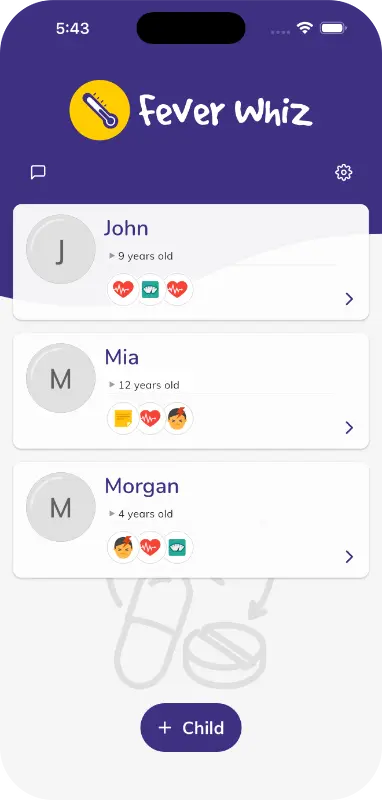
Fever Whiz एक मुफ्त बच्चे की दवा, बुखार और लक्षण ट्रैकर है जो माता-पिता और देखभालकर्ताओं के लिए डिज़ाइन किया गया है। Fever Whiz के साथ, आप कर सकते हैं:
- तापमान, लक्षण और दवाओं को एक आसान जगह पर लॉग करें
- कस्टम और स्मार्ट रिमाइंडर सेट करें ताकि एक व्यस्त, तनावपूर्ण दिन के दौरान कुछ भी न छूटे
- आसानी से पढ़े जाने वाले चार्ट के साथ रुझानों की कल्पना करें जो आपको यह देखने में मदद करते हैं कि आपका बच्चा समय के साथ कैसे बेहतर हो रहा है
- महत्वपूर्ण चिकित्सा दस्तावेजों को संग्रहीत करें ताकि वे हमेशा आपकी पहुंच में हों
- देखभाल नोट्स रखें और अपनी देखभाल टीम का प्रबंधन करें सभी एक ही जगह पर
- सभी के बीच वास्तविक समय में सिंक करें जो आपके बच्चे की देखभाल कर रहे हैं, ताकि दादी, सिटर और दोनों माता-पिता हमेशा एक ही अद्यतन जानकारी को देख रहे हों
Fever Whiz एक निजी रिकॉर्ड रखरखाव और संगठन उपकरण है — चिकित्सा उपकरण नहीं — और यह चिकित्सा सलाह या निदान प्रदान नहीं करता है। लेकिन जब यह शांत रहने, व्यवस्थित रहने और अपने बच्चे के बारे में बाल रोग विशेषज्ञ के पास एक स्पष्ट, पूर्ण तस्वीर के साथ जाने की बात आती है, तो यह पूरी देखभाल टीम के लिए एक वास्तव में मददगार साथी है।
क्योंकि जब सभी एक ही नियम पुस्तिका से काम कर रहे होते हैं, तो बीमारी के दिन आपके बच्चे और आपके लिए थोड़े कम डरावने होते हैं।