When a child falls ill, the household rhythm changes instantly. Days blur into nights, and the familiar routines of work, school, and family life are replaced by a new, urgent priority: comforting the little one. In the middle of the night, listening for coughs or checking foreheads for warmth, it is easy for a parent or caregiver to feel that their own needs must vanish entirely. The focus narrows to the child, and the caregiver’s own meals, sleep, and moments of peace fall by the wayside.
It is a natural instinct to want to give everything to a sick child. However, sustaining that level of self-sacrifice is difficult, and running on empty helps no one. Taking care of yourself isn't an act of selfishness; it is a vital part of keeping the family stable. To care for a child effectively, a caregiver must first ensure they have the physical and emotional reserves to do so.
🧠 The Case for Self-Care
Caregiving requires a tremendous amount of mental and physical energy, especially when a child is uncomfortable or feverish. When a caregiver is exhausted, decision-making becomes harder and patience wears thin. Prioritizing your own well-being ensures you have the stamina to provide the comfort and attention your child needs.
- Recognize that rest is a tool for better caregiving, not a luxury.
- Acknowledge that stress and fatigue are normal responses to a sick child.
- Give yourself permission to pause and breathe during the day.
- Remember that your child looks to you for cues on safety and calm.
🤝 Building Your Support Team
You do not have to navigate a sick day alone, even if it feels that way in the middle of the night. Reaching out to a partner, family member, or trusted friend can provide a much-needed lifeline. Sharing the load allows everyone to get the rest they need.
- Identify one or two people you can call for short-term help or errands.
- Communicate your needs clearly to your partner or support network.
- Accept offers of help with specific tasks like grocery shopping or meal prep.
- Consider asking a trusted friend to watch healthy siblings for an hour or two.
🌙 Prioritizing Sleep and Rest
Sleep is often the first thing to go when a child is unwell, but it is one of the most important factors in maintaining your own health. While you may not get a full eight hours, finding ways to maximize the rest you do get is essential. A rested caregiver is more alert, patient, and emotionally available.
- Sleep when the child sleeps, even if it means leaving the dishes for later.
- Trade off "night shift" duties with a partner or co-caregiver if possible.
- Create a restful environment for yourself, even if it’s just a comfortable chair.
- Set a timer for short, 20-minute power naps to avoid waking up groggy.
🥗 Fueling Your Body
It is easy to forget to eat or hydrate when you are focused on a sick child, but your body needs fuel to function. Simple, nutritious choices can keep your energy levels steady throughout the day. Neglecting your own physical needs can lead to burnout quickly.
- Keep a water bottle nearby to remind yourself to drink fluids throughout the day.
- Prepare simple, easy-to-digest snacks like nuts, fruit, or yogurt.
- Opt for meals that require little preparation, such as sandwiches or soups.
- Accept meal deliveries from friends or family if they offer.
📝 Staying Organized to Reduce Stress
A significant source of caregiver anxiety is the fear of forgetting a dose of medication or missing a change in symptoms. Disorganization can lead to frantic searching for thermometers or debate over who gave the last dose. Having a clear system in place can lower stress levels significantly.
- Designate a specific spot for all medications, thermometers, and care supplies.
- Write down the time and amount of every medication dose given.
- Log temperatures and symptoms regularly to share with your pediatrician.
- Use a central app or notebook to keep all caregivers on the same page.
🧘 Finding Moments of Calm
The atmosphere in the home often mirrors the caregiver’s emotional state. If you are frantic and stressed, your child may sense that tension. Finding small ways to center yourself can help bring a sense of peace to the entire room.
- Take three deep, slow breaths before checking on your child.
- Listen to a favorite podcast or calming music while sitting with your child.
- Step outside for five minutes of fresh air if another adult is present.
- Practice gentle stretching or mindfulness while your child rests.
🩺 Preparing for the Pediatrician Visit
When it is time to consult a doctor, being prepared can make the visit more productive and less stressful. Having a clear summary of your child’s symptoms and history allows the pediatrician to provide the best guidance. This preparation also helps you feel more confident in the conversation.
- Write down a list of questions or concerns before the appointment.
- Bring your log of temperatures, symptoms, and medication times.
- Note when the symptoms started and if anything made them better or worse.
- Ask the doctor to clarify anything you do not understand about their instructions.
Disclaimer: This content is for educational and informational purposes only and is not a substitute for professional medical advice, diagnosis, or treatment. Always consult your pediatrician or a qualified healthcare professional regarding any medical questions, symptoms, or treatment decisions. Never disregard professional medical advice or delay in seeking it because of something you have read here. If you think your child may have a medical emergency, call your doctor or emergency services immediately.
✅ Quick Action Plan
- Identify one friend or family member you can call for support today.
- Place a full water bottle and a simple snack in the room where you are resting.
- Trade off a two-hour rest block with your partner or co-caregiver.
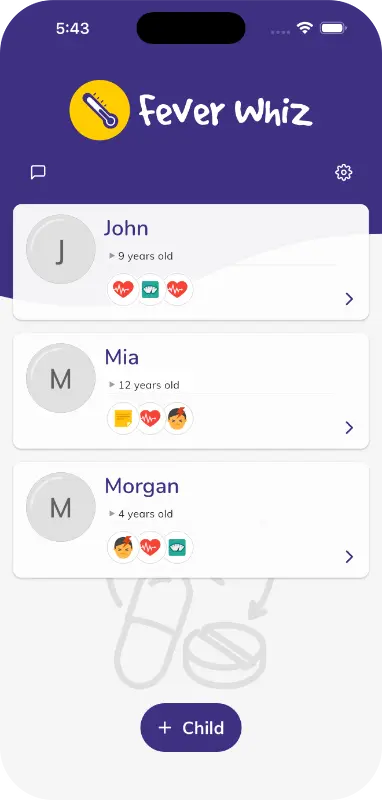
- Download the Fever Whiz app to centralize your medication logs and symptoms.
- Set a reminder on your phone to take three deep breaths every two hours.
Suggested Tool: Consider using the Fever Whiz app to help manage the details of your child's care. This free tool helps parents and caregivers log medications, temperatures, and symptoms, set custom reminders, visualize trends with charts, store medical documents, and share a real-time care timeline with everyone caring for the child. It is a private record-keeping tool designed to bring peace of mind to busy families.