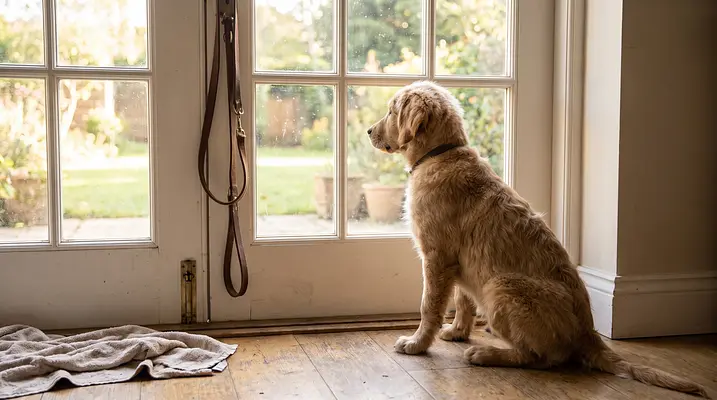
It is 3 a.m. and you are standing in the dark, debating whether the soft whimpers from the crate warrant another trip outside or if your puppy can safely hold it until dawn. That specific moment of exhausted hesitation is a rite of passage for every new owner, marking the point where patience meets biological reality. Understanding exactly how long your puppy can wait is the key to navigating those long nights and ensuring successful, stress-free potty training.
⏰ The One-Hour-Per-Month Rule
You have likely heard the popular rule of thumb: a puppy can hold their bladder for one hour for every month of age. This is a helpful baseline that accounts for the fact that a puppy's bladder sphincter muscles—the muscles that control the flow of urine—are not fully developed at birth. It provides a rough estimate of their physical capacity during the day.
- Calculate the maximum time by multiplying the puppy’s age in months by one hour.
- Treat this as a maximum limit rather than a goal to strive for during the day.
- Add frequent breaks if your puppy is highly active or has just woken up from a nap.
- Avoid pushing the limit to prevent accidents that can confuse your training progress.
🚫 Where the Rule Breaks Down
While the one-hour rule is a great starting point, it isn't perfect and it certainly doesn't apply to every situation. Relying on it too heavily can lead to unnecessary accidents and frustration, especially if you have a particularly small breed or a high-energy companion.
- Expect smaller breeds like Chihuahuas or Yorkies to need more frequent breaks due to smaller bladder sizes.
- Account for high activity levels which stimulate the bladder and reduce holding time significantly.
- Prioritize immediate trips outside after eating, drinking, waking up, or playing, regardless of the clock.
- Recognize that excitement or anxiety can cause a sudden loss of bladder control in young puppies.
📅 An Age-by-Age Holding Guide
As your puppy grows, their bladder capacity expands rapidly, but the progression can feel slow when you are cleaning up accidents. Here is a realistic look at what to expect from eight weeks all the way to adulthood, so you can plan your day accordingly.
8–10 Weeks Old At this tender age, your puppy has very little control and needs almost constant supervision. Their world is small, and their need to go is frequent and sudden.
- Plan for potty breaks every 30 to 45 minutes during active hours.
- Limit unsupervised freedom to prevent sneaky accidents behind the sofa.
- Take them out immediately after every meal, drink, or nap.
3–4 Months Old You will start to see a glimmer of hope during this stage as your puppy begins to understand the routine. However, their physical control is still developing, and accidents remain common.
- Extend the time between breaks to approximately 2 to 3 hours during the day.
- Watch for subtle signals like sniffing the ground or circling, which indicate a need to go.
- Maintain a strict schedule to reinforce good habits before adolescence sets in.
5–6 Months Old By this age, most puppies can hold their bladder for a decent stretch, often around 4 hours during the day. This is often the "sweet spot" where training clicks, but regression can happen if you get complacent.
- Aim for a break every 4 to 5 hours, though 3 to 4 hours is safer.
- Begin teaching bladder control by waiting a few minutes once you get outside before rewarding them.
- Stick to the routine even if they seem fully trained to avoid teenage rebellion accidents.
Adulthood (12+ Months) Once your dog reaches a year old, they are physically capable of holding their bladder for a full workday. However, just because they can hold it doesn't mean they should have to.
- Allow for a midday break if you work long hours to ensure comfort and health.
- Transition to a routine that fits your lifestyle without compromising their biological needs.
- Monitor for health changes as urinary issues in adulthood can signal medical problems.
🌙 Overnight Expectations
One of the most common questions new owners ask is when they can finally get a full night's sleep. The good news is that puppies can usually hold their bladder longer overnight than they can during the day because their metabolism slows down while they sleep.
- Set an alarm for a middle-of-the-night trip if your puppy is under 12 weeks old.
- Remove water bowls two hours before bedtime to minimize the need to go out.
- Expect to take them out first thing in the morning before their paws hit the floor.
- Keep the overnight outing boring so your puppy learns this is for business, not play.
🗓️ Building a Potty Schedule
A consistent schedule is the secret sauce of potty training. By building a routine around your puppy’s biological needs, you prevent accidents before they happen and teach them where they are supposed to go.
- Anchor trips to the door around key daily events like waking up and meal times.
- Use a crate or playpen when you cannot directly supervise the puppy to encourage holding.
- Reward success immediately with a high-value treat the moment they finish going outside.
- Log every accident and success to help you identify patterns in your puppy’s behavior.
🏃 Quick Action Plan
- Calculate your puppy's maximum daytime holding limit using the one-hour-per-month rule.
- Set a timer for 30 minutes less than that limit to ensure you get outside in time.
- Take your puppy out immediately after every meal, nap, and play session today.
- Pick up the water bowl two hours before your own bedtime tonight.
- Reward every successful outdoor potty trip with a treat and praise.
Navigating the puppy potty training phase requires patience, consistency, and a lot of paper towels, but it does get easier. By respecting their physical development and sticking to a routine, you will build a foundation of trust and good habits that lasts a lifetime.
Disclaimer: This blog post provides general guidance for pet care and is not a substitute for professional veterinary advice. If your puppy is having frequent accidents, straining to urinate, or seems to be in pain, please consult your veterinarian immediately.
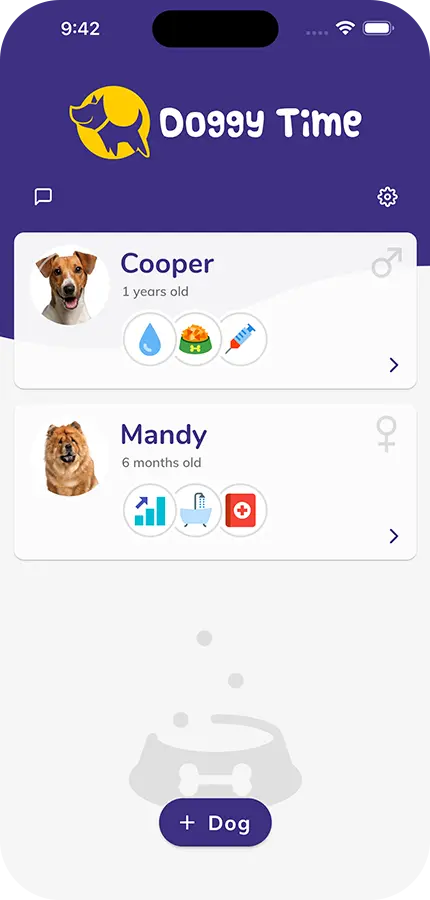
For an easier way to stay on track, consider using the Doggy Time app. It helps you collaborate with family members on logging pet activities, training progress, and health items, while smart alarms ensure you never miss a potty break.