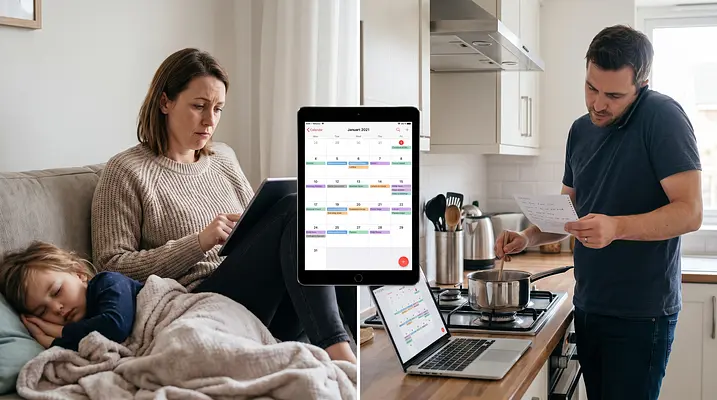
There is a unique kind of exhaustion that comes with parenting a sick child, and when that child splits their time between two homes, the emotional load can feel even heavier. You aren't just managing fevers and fatigue; you are managing logistics, communication, and the inevitable worry that comes with handing over a vulnerable little one to someone else, even if that person is a trusted co-parent. The good news is that with a little preparation and a lot of grace, you can turn a sick day into a moment of teamwork, ensuring your child feels safe, secure, and loved no matter whose driveway they are in.
Establishing a Communication Game Plan
Before the first sniffle even hits, having a plan for how you will share information can save you hours of stress and confusion later. Agreeing on the method and timing of updates prevents misunderstandings and ensures both parents remain active, informed participants in their child’s recovery.
- Agree on a primary communication channel, such as a shared parenting app or a specific text thread, to keep all medical updates in one place.
- Decide on a specific time to check in, such as mid-morning and before bed, so both households stay in the loop without constant interruptions.
- Keep messages factual and focused on the child’s well-being, avoiding past grievances or emotional venting during the illness.
- Share photos or short videos of the child when appropriate to reassure the other parent and help them feel connected.
Tracking Symptoms and Medications Accurately
One of the biggest challenges in co-parenting is remembering what happened in the "other" house—was medicine given at 10:00 AM or 12:00 PM? Did the fever spike before nap time or after dinner? Accurate record-keeping eliminates the guesswork and ensures continuity of care.
- Write down the exact time and dosage of any medication given to prevent accidental double-dosing or missed doses.
- Log temperature readings at consistent intervals to help identify patterns rather than relying on memory.
- Note what your child is eating and drinking, including how many wet diapers they have had or trips to the bathroom.
- Record behavioral changes, such as periods of lethargy or increased fussiness, to provide a full picture of how the child is feeling.
Preparing for the Pediatrician Visit
Whether it is a routine check-up or a sick visit, having a unified front at the doctor’s office makes the appointment more productive. When both parents are on the same page, the doctor gets better information, and the child receives better care.
- Decide in advance who will attend the appointment, or use a speakerphone feature to include the other parent remotely.
- Compile a written list of symptoms, medication history, and fever trends to present to the pediatrician so nothing is forgotten.
- Ask the doctor to clarify discharge instructions clearly so both parents understand the recommended care plan.
- Request a written summary or after-visit report that can be photographed and shared immediately with the other household.
Comforting Your Child Across Two Homes
Illness can make children feel insecure, especially if they are moving between environments. The best thing co-parents can do is create a seamless bubble of comfort, ensuring the child’s emotional needs are met alongside their physical ones.
- Pack a "sick day bag" with the child's favorite comfort items, such as a specific blanket, stuffed animal, or sippy cup, to travel between homes.
- Keep the routine as consistent as possible, sticking to similar nap times, meal structures, and quiet activities in both households.
- Reassure the child that both parents are working together to help them feel better, avoiding any negative talk about the other home.
- Allow extra screen time or gentle activities without guilt, recognizing that sick days call for flexibility over strict rules.
Supporting Each Other as Caregivers
It is easy to get tunnel vision when your child is unwell, but remembering that your co-parent is also worried and tired can change the dynamic from adversarial to cooperative. A little empathy goes a long way in reducing the overall stress of the situation.
- Acknowledge the other parent's efforts with a simple "thank you" or a text recognizing their hard work.
- Offer flexibility with schedules if one parent has a critical work meeting or is running on empty, with the understanding that the favor will be returned.
- Respect that each parent may have slightly different soothing styles, as long as they align with the doctor's general advice.
- Focus on the shared goal of a healthy, happy child rather than critiquing minor differences in caregiving style.
When to Seek Medical Help
While most sick days resolve with rest and fluids, it is vital to know when to escalate care. Trusting your instincts and acting quickly is more important than sticking to a schedule or waiting for your "turn" with the child.
- Contact your pediatrician immediately if your child exhibits warning signs like difficulty breathing, severe dehydration, or a high fever that doesn't respond to medication.
- Do not wait for the other parent’s permission to seek urgent care if you feel the situation is an emergency.
- Communicate immediately and calmly if you are heading to urgent care or the ER, providing the location and doctor's name as soon as possible.
- Follow the advice of medical professionals regarding isolation or contagious periods, even if it disrupts the custody schedule.
Conclusion
Navigating a sick day across two households requires patience, organization, and a whole lot of love. By focusing on clear communication and shared documentation, you can strip away the stress of logistics and focus entirely on what matters most: helping your little one heal. Remember that perfection isn't the goal; being present, responsive, and supportive is. With these strategies, you can turn a challenging sick day into a testament to your family's resilience and cooperation.
Quick Action Plan
- Choose a shared digital tool or app today to centralize all health logs and communication.
- Pack a dedicated "sick day" travel bag with comfort items and essential care supplies.
- Set a daily check-in time with your co-parent to discuss updates and needs.
- Write down the contact info for your pediatrician and nearest urgent care center in both homes.
- Agree on a protocol for emergencies so both parents know when to call or head to the hospital.
Disclaimer: This content is for general educational and informational purposes only and is not a substitute for professional medical advice, diagnosis, or treatment. Always consult your pediatrician or a qualified healthcare professional regarding any medical questions, symptoms, or before making any changes to your child’s health regimen. Never disregard professional medical advice or delay in seeking it because of something you have read here.
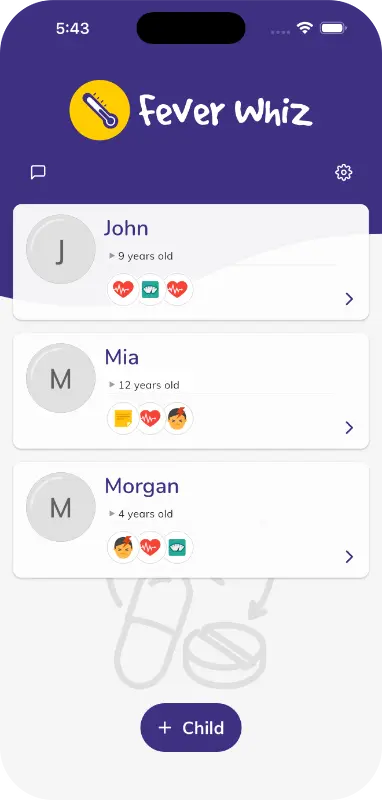
For easier coordination, consider using the *Fever Whiz** app. It helps parents and caregivers log medications, temperatures, and symptoms; set reminders; visualize trends; store medical documents; and share a real-time care timeline with everyone caring for your child.*