You’ve been hovering near the "reply" button on that group chat for days. You want to join the neighborhood carpool—it saves time, money, and the planet—but the mere thought of explaining your child’s needs to a new driver makes your stomach clench. You worry about the meltdowns, the sensory overload from a loud radio, or the panic that sets in when the route deviates even slightly. It feels safer to just keep driving them yourself, even though you know that isolation isn't the long-term answer.
Here is the good news: successful carpools for children who need extra support aren't just about luck. They are about preparation, communication, and having a backup plan. With the right structures in place, you can move from surviving the ride to actually building a supportive community for your child.
🚗 Preparing for a New Driver and Route
Change is often the biggest hurdle for anxious or neurodivergent children, but you can flatten the learning curve significantly before the first ride ever happens. By demystifying the new environment, you turn a scary unknown into a manageable plan.
- Show your child a photo of the new driver and their car beforehand to build visual familiarity.
- Print a simple map of the route and highlight key landmarks so the child knows exactly where they are.
- Drive the route with your child on a quiet weekend to practice the timing and the view from the window.
- Write a "social story" or a short script describing the morning step-by-step, from getting in the car to arriving at school.
🔄 Building Routines and Seating
Predictability is the anchor for a child who feels anxious; when they know exactly where to go and what to do, their cognitive load decreases. Establishing a physical routine helps the child claim their space in a vehicle that isn't "theirs."
- Assign a specific "spot" in the car, such as the rear passenger side, and ask the driver to keep it available.
- Create a visual checklist for the car door, such as "Buckle, Backpack, Hands in lap."
- Establish a consistent entry and exit order, like "Jane gets in first, Sam gets in last."
- Ask the driver to use the exact same greeting every day to create a predictable social start.
🔔 Managing Sensory Load
A car is a sensory box on wheels—trapping smells, sounds, and motion that can quickly overwhelm a sensitive system. Proactively managing these inputs prevents sensory overload before it starts.
- Ask the driver in advance if they are willing to keep the radio off or at a low volume during the ride.
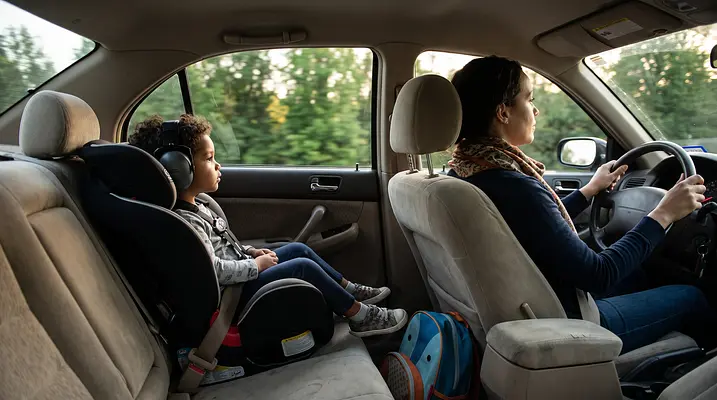
- Provide noise-canceling headphones or earbuds if the ambient sounds of traffic or other children are triggering.
- Pack a small "sensory kit" with fidgets or a weighted lap pad to help the child self-regulate.
- Crack a window slightly for airflow if the child is sensitive to motion sickness or stuffy environments.
- Request a "no strong scents" rule in the car, such as avoiding air fresheners that might trigger headaches.
🗣️ Sharing Without Oversharing
You need to give the driver the tools to keep your child safe and comfortable, but you do not need to provide a complete medical history to do so. Focus on the "what to do" rather than the "why," which respects your child's privacy while ensuring their needs are met.
- Provide a one-page "Cheat Sheet" with 3-4 bullet points on how to handle specific behaviors.
- Use neutral language, such as "Alex does best with direct instructions" rather than "Alex has oppositional defiance."
- Specify exactly what a meltdown looks like and exactly what the driver should do (e.g., "Pull over safely and wait").
- Share only the information necessary for the immediate safety and comfort of the ride.
🆘 Signaling Distress
Verbal communication often fails first when a child is escalating toward a panic attack or sensory shutdown. Giving them a non-verbal way to communicate allows them to signal for help without the pressure of finding the right words.
- Give the child a specific colored card to hold up that means "I need a break" or "I feel sick."
- Agree on a hand signal, such as a "thumbs down" on the knee, that the child can use to alert the driver.
- Establish a code word the child can whisper, like "pineapple," which means "I need the car to stop now."
- Ensure the driver knows to check the mirror for these signals at red lights or stops.
🚫 Planning for the "No-Go" Days
There will be mornings when the routine is broken, the stars are misaligned, or your child simply does not have the capacity to handle the carpool. Having a Plan B prevents a bad morning from turning into a crisis and removes the pressure for the child to "perform."
- Create a "Get Out of Jail Free" agreement with the other parents where you can opt-out by 7:00 AM without judgment.
- Have a backup transportation plan ready, such as you driving them or a grandparent stepping in.
- Normalize the "off day" for your child so they don't feel guilty or like they have failed the group.
- Offer to take your turn driving on days when you know your child is having a rough patch so you can control the environment.
Carpooling is as much about community as it is about logistics, and finding the right rhythm takes time. Be patient with yourself and your child as you navigate these new waters. You are not just moving a child from point A to point B; you are teaching them how to advocate for their needs and trust other adults. With clear communication and a lot of grace, the carpool can become a safe, predictable part of their week.
Quick Action Plan
- Draft a simple "Driver Cheat Sheet" with three actionable bullet points for your child.
- Drive the carpool route with your child this weekend to practice the landmarks.
- Pack a small sensory bag with headphones and a fidget to keep in the backpack.
- Text the carpool admin today to confirm a consistent seating assignment.
- Establish a non-verbal signal with your child to use if they feel overwhelmed.
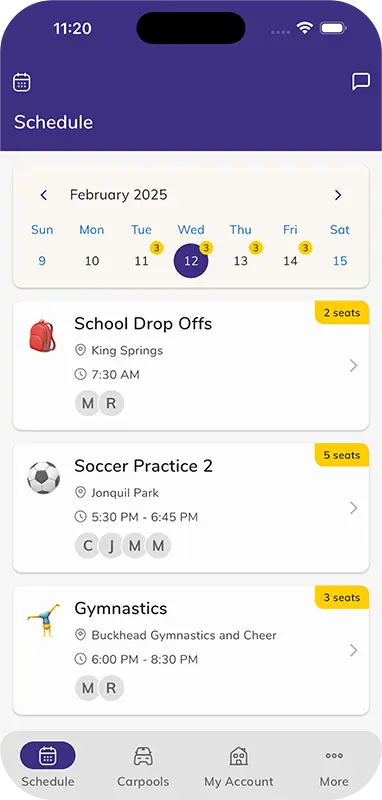
If you are looking for a streamlined way to organize these schedules and communicate needs without cluttering group chats, consider using the Kid Hop app. It helps families, sports teams, and school groups coordinate carpools efficiently, so you can spend less time on logistics and more time supporting your child.