There is a special kind of disappointment that comes with a child getting sick while on a family trip. You spend months planning, dreaming of sunny beaches or mountain hikes, and suddenly you are confined to a hotel room, whispering soothing words in an unfamiliar bed. It can feel overwhelming to navigate fevers or flu symptoms without your usual medicine cabinet, pediatrician just down the road, or the comfort of home. Take a deep breath; while you can’t control the timing of illness, you can absolutely control how you manage it, turning a chaotic situation into a manageable one.
Take a Moment to Ground Yourself
Panic is often the first reaction when a child wakes up flushed and warm in a strange place. Your energy sets the tone for the room, so finding your calm center helps everyone feel safer. Before you spring into action, give yourself a brief moment to assess the situation.
- Pause for ten seconds to take a few deep breaths before touching or moving the child.
- Speak in a low, soothing voice to let your child know they are safe and loved.
- Grab a notebook or your phone immediately to note the current time and what you observed first.
- Reassure yourself that you know your child best and you are capable of handling this moment.
Create a Comfortable "Sick Bay"
Hotel rooms and rental houses aren’t usually set up for caregiving, but a few small adjustments can make a big difference. You want to create a space where everything you need is within arm's reach. Setting up a designated area prevents you from having to search for items in dark, unfamiliar cabinets during the night.
- Choose a specific spot for the "medicine cabinet" and keep all supplies there.
- Stock the nightstand with water, tissues, a thermometer, and a notepad for logging.
- Adjust the room temperature to ensure the child is neither too hot nor too cold.
- Dim the lights to create a restful atmosphere that encourages sleep and healing.
Organize Your Observations
When you are away from home, communicating with a doctor or a partner becomes even more critical. Memory fails us when we are tired and stressed, so writing things down is your best friend. A clear log of symptoms and timelines helps medical professionals give you better guidance.
- Write down the exact time you first noticed symptoms or a fever.
- Log every temperature reading with the time and the method used to take it.
- Note specific symptoms like lethargy, lack of appetite, or rashes as they appear.
- Record what your child eats and drinks to monitor hydration levels.
- Keep a running list of questions to ask the doctor so you don't forget them during the call.
Navigate Local Care with Confidence
Finding medical care in an unfamiliar city can feel daunting, but resources are closer than you think. A little bit of research can save you a frantic search later. Knowing where to go before you need to go there reduces stress significantly.
- Ask the hotel concierge or rental host for the location of the nearest urgent care or pharmacy.
- Check your insurance provider’s app or website for in-network facilities in the area.
- Save the address of the local hospital into your phone’s map application.
- Call ahead to urgent care centers to check wait times or availability for walk-ins.
Coordinate Care Among Caregivers
If you are traveling with a partner, grandparents, or friends, it is essential that everyone is on the same page. Miscommunication leads to double-dosing or missed medication times. Ensure there is a single "source of truth" for the care plan.
- Designate one person to be the primary record-keeper for the duration of the illness.
- Sync your phones using a shared app so both caregivers see the same data in real time.
- Verbally confirm who is giving the next dose before handing off responsibility.
- Update each other on symptom changes immediately so no one is caught off guard.
Prepare for the Pediatrician Call
If you need to call your child’s pediatrician back home or visit a local clinic, preparation makes the call more productive. Doctors appreciate precise data over vague estimates. Having your facts organized helps them help you faster.
- Have your symptom log ready to read from so you can provide exact times and numbers.
- List any medications your child currently takes or has already taken on this trip.
- Note your child’s current weight, as it is often required for determining proper care.
- Prepare a clear, one-sentence summary of why you are calling to start the conversation efficiently.
Prioritize Your Own Well-Being
You cannot pour from an empty cup, and caring for a sick child in a hotel room is exhausting. You need to maintain your stamina to be the support your child needs. Don’t be afraid to ask for help or take turns.
- Trade off "shifts" with your partner so each person gets a few hours of uninterrupted sleep.
- Order healthy, nourishing food to the room so you don't rely solely on snacks.
- Hydrate yourself regularly, as stress and worry can easily lead to dehydration.
- Step outside for five minutes of fresh air if another trusted adult can watch the child.
Conclusion
Sickness on vacation is never part of the plan, but it doesn't have to ruin the trip entirely. With a calm demeanor, a little organization, and the right tools, you can navigate these unexpected turns with grace. Remember that rest and recovery are the priority, and soon enough, you will be back to making memories.
Quick Action Plan
- Pause and take three deep breaths to center yourself before assessing the child.
- Designate a single spot in your room for all medical supplies and logs.
- Download a tracking app or grab a notebook to log times, temps, and symptoms immediately.
- Identify the nearest pharmacy and urgent care location right now.
- Set a reminder on your phone for the next time you need to check on the child.
Disclaimer: This content is for general educational and informational purposes only and is not a substitute for professional medical advice, diagnosis, or treatment. Fever Whiz is not a medical device. Always seek the advice of your pediatrician or other qualified health provider with any questions you may have regarding a medical condition or symptoms. Never disregard professional medical advice or delay in seeking it because of something you have read here. If you think your child may have a medical emergency, call your doctor or emergency services immediately.
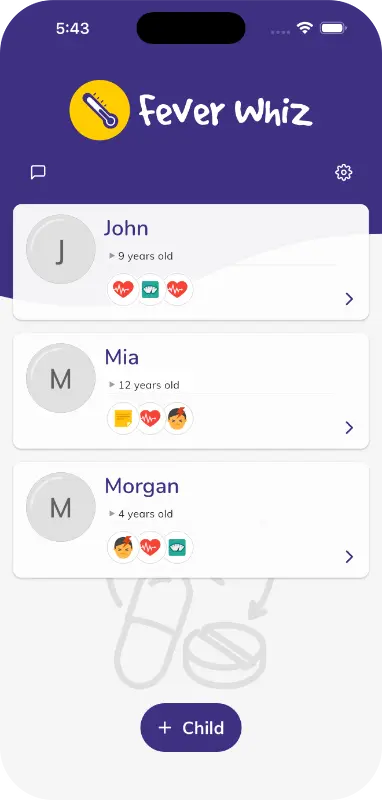
A Tool to Help: To make staying organized easier, consider using the Fever Whiz app. It is a free tool for parents and caregivers to log medications, temperatures, and symptoms, set custom reminders, visualize trends, and share a real-time care timeline with everyone caring for the child. It helps you keep a private, organized record so you have the information you need when you need it.