Around day four, the calendar-watching begins. You find yourself counting the days since that first little sniffle appeared, mentally reviewing the timeline and wondering if this has gone on too long. It is a familiar, quiet worry that settles in for many parents, a feeling that the illness is overstaying its welcome. Before the anxiety takes root, it helps to understand the well-documented, predictable arc of an ordinary cold.
📅 The Scratchy-Throat Opening Phase
The cold often announces itself with a whisper before it shouts. In the first day or two, a child might seem a bit more tired than usual or complain of a scratchy, irritated throat. This is the prodromal phase, the body’s early warning system kicking into gear before the main symptoms arrive.
- Picture the virus settling into the upper respiratory tract, causing mild inflammation and that telltale scratchy feeling.
- Recognise that a low-grade temperature might appear here, as the immune system begins its defense.
- Understand that this phase is often the most contagious period, even before the major symptoms become obvious.
- Remember that preschool children often experience between six and eight colds per year, a frequency that can make these opening phases feel surprisingly routine.
📈 The Peak Congestion Days
Following the opening act, the cold typically ramps up around days three through five. This is often the most uncomfortable stretch, characterized by significant nasal congestion, a runny nose that seems relentless, and perhaps a fever that makes the child want to rest. It can feel overwhelming, but this intensity is actually a sign that the immune system is actively fighting the infection.
- Visualise the nasal passages working overtime to flush out the virus, resulting in clear, thin mucus that can seem never-ending.
- Know that fever is a standard tool the body uses to create an environment where viruses struggle to thrive.
- Expect that sleep may be disrupted during this peak, as congestion makes lying flat uncomfortable.
- Observe that the child will likely want to rest more, conserving energy for the immune battle.
🎨 The Change in Mucus Colour
Partway through the illness, often after the peak days, the colour of the nasal mucus may shift from clear to yellow or green. For many parents, this change sets off alarm bells, signaling a potential bacterial infection. However, medical textbooks and pediatric guidance explain that this colour change is widely misunderstood.
- Understand that white blood cells rush to the site of the infection to fight the virus.
- Realise that as these cells die off and are cleared away, they can turn the mucus yellow or green.
- Recognise that this colour change is actually a normal part of the immune response and does not automatically indicate a bacterial infection.
- Know that clinicians look for persistence of symptoms or a worsening after an initial improvement, rather than colour alone, when assessing for secondary infections like sinusitis.
⏳ The Lingering Cough
Just when the congestion clears and the energy returns, a cough often remains. It can persist for a week or even two weeks after the other symptoms have resolved. This lingering cough is a source of major frustration for parents, who naturally wonder when it will finally end.
- Picture the lining of the airways, which has been irritated by the virus and needs time to heal.
- Remember that the nerves in the throat remain sensitive long after the virus is gone, triggering a cough reflex.
- Consider that mucus draining down the back of the throat during the night can also prolong the cough.
- Know that pediatric literature notes a post-viral cough can last ten to fourteen days, and sometimes longer, without being a sign of a new illness.
🚨 When to Contact Your Pediatrician
While the day-by-day arc of a cold is predictable, there are moments when the story deviates from the script. Pediatric and public health sources widely list specific warning signs that warrant a conversation with a healthcare professional. These signs suggest that what seemed like an ordinary cold might need a closer look.
- Note that difficulty breathing, visible retractions where the skin pulls in around the ribs, or a blue tinge to the lips are reasons to seek urgent care.
- Be aware that a fever lasting more than three days, or one that disappears and then returns, is often listed as a reason to call the doctor.
- Understand that signs of dehydration, such as a dry mouth, lack of tears, or no urination for eight hours, require medical attention.
- Observe that extreme irritability, a severe headache, or a stiff neck are symptoms that should not be ignored.
- Consult a qualified pediatrician or healthcare professional for any medical questions, symptoms, or treatment decisions.
📝 A Quick Action Plan
The timeline of a cold is a waiting game, but you can stay organized and feel more in control by keeping a clear record.
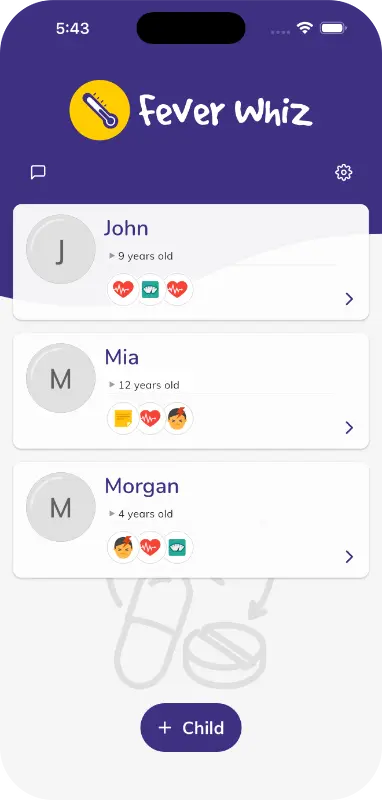
- Download the Fever Whiz app to easily log temperatures, symptoms, and medications in one place.
- Set custom reminders so you never lose track of when the next dose is due or when to check a temperature.
- Use the symptom tracker to visualize the arc of the illness and see how today compares to yesterday.
- Share the real-time care timeline with your partner, a nanny, or grandparents so everyone is on the same page.
- Keep a record of the illness duration to provide accurate information to your pediatrician if you need to call.
Disclaimer: This blog post is for educational purposes only and is not medical advice. Always consult your pediatrician or a qualified healthcare professional for any medical questions, symptoms, dosing, or treatment decisions, and seek urgent care for any emergency or warning signs.