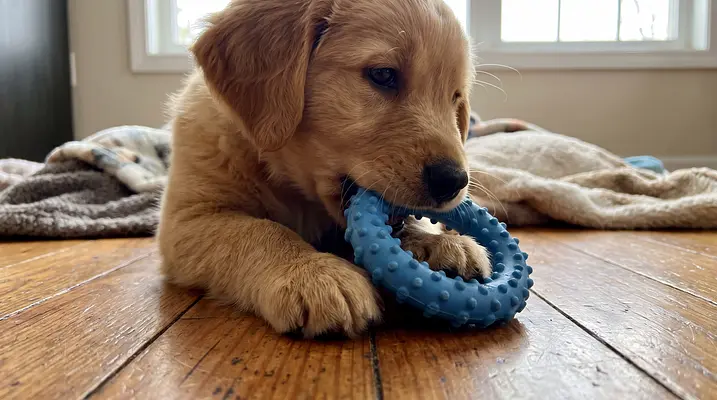
You might stumble upon a tiny, needle-like tooth on the rug or notice a fresh gouge in your favorite table leg, sudden evidence that your puppy’s mouth is undergoing a major renovation. It often feels like this chaotic phase of nipping and gnawing will last forever, but rest assured that this intense need to chew has a distinct beginning and a welcome end. Understanding the timeline of your puppy's teething journey not only saves your furniture but also helps you offer the right comfort when they need it most.
🗓️ The Week-by-Week Timeline
Understanding where your puppy is in their dental development helps you anticipate their needs. While every dog is slightly different, most puppies follow a predictable schedule for losing their milk teeth and growing in their permanent ones.
- 2-4 weeks: Watch as your puppy’s baby teeth start to erupt, usually beginning with the incisors. By the time you bring your puppy home at 8 weeks, they will likely have a full set of 28 razor-sharp baby teeth.
- 12-16 weeks: Expect the teething process to begin in earnest as the baby teeth start to loosen and fall out. You might find tiny rice-sized teeth on the floor, though puppies often swallow them without issue.
- 4-6 months: Observe the arrival of the adult teeth, starting with the incisors, followed by the canines and premolars. By six months of age, your puppy should have a full set of 42 adult teeth.
- 6-8 months: Check that all adult teeth have fully erupted and the roots have set. This marks the end of the teething phase for most breeds, though larger breeds may finish slightly sooner than smaller ones.
😟 Signs of Teething Pain
It isn’t always obvious when a tooth is loose or falling out, as puppies are naturally stoic about discomfort. Look for these specific behavioral changes to determine if your pup is hurting.
- Excessive chewing: Notice if your puppy is gnawing more aggressively on furniture, shoes, or your hands to relieve pressure in their gums.
- Drooling: Check for strings of saliva hanging from their mouth or wet spots on their bedding, which is a common physical response to oral discomfort.
- Bleeding or swollen gums: Look for slight redness or a little blood on their favorite chew toys, which indicates a tooth is likely loose.
- Appetite changes: Monitor their eating habits, as some puppies may eat slower or prefer soft food if hard kibble hurts their sore mouth.
- Irritability: Be patient if your usually happy puppy seems grumpy or reluctant to play, as the pain can make them temporarily cranky.
🦴 Safe Chew Options and What to Avoid
Providing the right outlet for your puppy’s chewing instinct is crucial for their comfort and your home’s survival. Always choose items that are appropriate for their age and jaw strength.
- Frozen Kong toys: Stuff a durable rubber toy with wet food or peanut butter and freeze it to provide long-lasting, soothing relief for inflamed gums.
- Frozen washcloths: Wet a clean washcloth, twist it, and freeze it for a soft, cold teething ring that massages sore gums without damaging adult teeth.
- Rope toys: Supervise play with natural cotton rope toys, which can floss teeth and satisfy the urge to chew, but discard them if they start to fray.
- Avoid hard bones and antlers: Steer clear of items that are too hard, such as deer antlers or cooked bones, as they can easily fracture fragile puppy teeth.
- Avoid rawhide: Skip traditional rawhide chews, as they pose a significant choking hazard and can cause intestinal blockages if swallowed in large chunks.
🦷 Watching for Retained Baby Teeth
Sometimes, a baby tooth refuses to fall out even as the adult tooth pushes through. This condition, known as retained deciduous teeth, is common in small breeds and requires veterinary attention.
- Check the mouth weekly: Lift your puppy’s lip gently to inspect their teeth, looking specifically for a "double row" of teeth where a baby tooth sits beside an adult tooth.
- Focus on the canines: Pay special attention to the long fang teeth, as these are the most likely to be retained and can cause the adult teeth to grow in crooked.
- Consult your vet: Schedule an appointment if you see retained teeth, as leaving them too long can cause overcrowding, plaque buildup, and bite misalignment.
- Plan for extraction: Coordinate with your veterinarian to have the retained baby teeth removed during their spay or neuter surgery to avoid a separate anesthesia event.
🛋️ Protecting Your Furniture
The peak of teething is often when baseboards, table legs, and sofa corners suffer the most damage. Proactive management is far easier than repairing chewed wood or fabric.
- Use bitter apple spray: Apply a taste deterrent to furniture legs and baseboards to make chewing an unpleasant experience for your puppy.
- Manage the environment: Block access to rooms with valuable furniture using baby gates to limit the space where trouble can happen.
- Provide immediate alternatives: Redirect your puppy the second they start chewing on something inappropriate by offering a designated toy instead.
- Exercise their brain: Tire your puppy out with mental stimulation, such as training sessions or puzzle games, as a tired puppy is far less likely to chew destructively.
📝 Quick Action Plan
- Puppy-proof your home by removing shoes and cords from reach.
- Purchase and freeze a Kong toy or wet washcloth today.
- Inspect your puppy’s mouth for loose or retained teeth.
- Apply bitter apple spray to your furniture legs.
- Schedule a vet check if you notice adult teeth crowding baby teeth.
While the teething phase can feel endless, it is a temporary milestone that results in a healthy, happy adult dog. By offering comfort, safe chews, and a little patience, you will guide your puppy through this rite of passage without losing your mind—or your dining room table.
Disclaimer: This blog post is for informational purposes only and does not constitute veterinary advice. If you are concerned about your puppy’s teeth, gums, or overall health, please consult a licensed veterinarian.
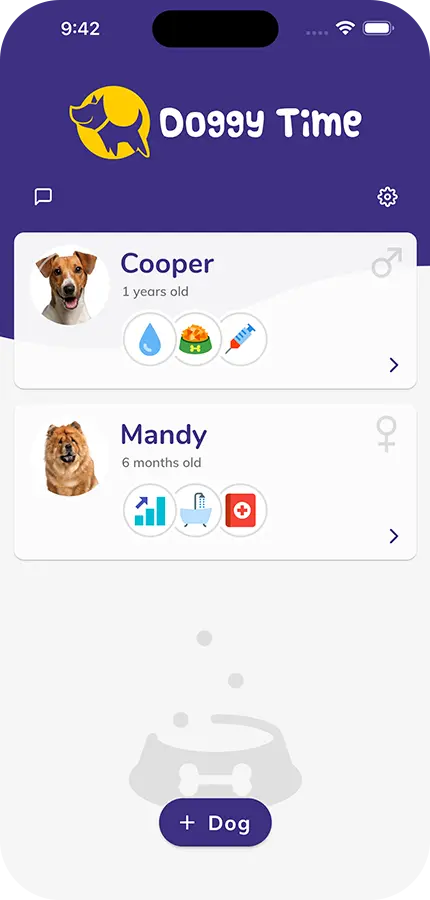
To help you stay on top of your puppy’s teething timeline and training progress, consider using the Doggy Time app. This comprehensive pet tracker allows you to log training activities, set smart alarms for medication or feeding times, and collaborate with family members to ensure your new puppy’s care schedule is seamless. Whether you are tracking habits or setting reminders, Doggy Time helps you manage the chaos of puppyhood with ease.