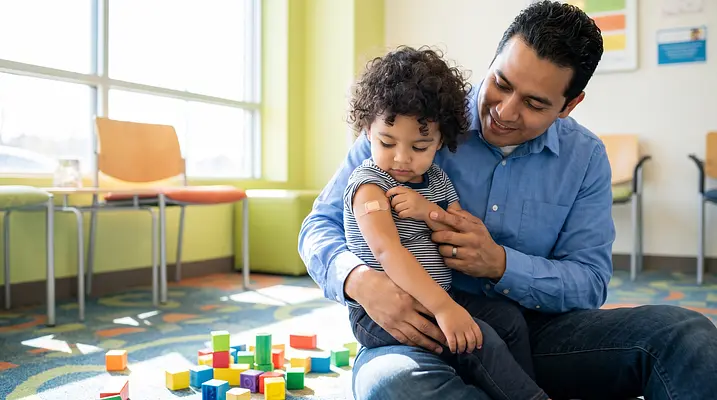
You are sitting in the observation chair, counting the minutes on the wall clock. Your child is happily stacking blocks on the carpet, blissfully unaware that you are analyzing every breath and checking their arm for redness. It is a familiar scene for so many parents—that quiet interval of waiting after a vaccination appointment. You’ve just done something proactive to protect your child, yet the quiet anxiety lingers. You might find yourself wondering what is actually happening inside that small body right now, and why a little soreness or a low-grade fever later is actually a sign that the immune system is doing its homework.
Understanding the "why" behind vaccines can turn that waiting-room anxiety into confidence. It helps to picture the immune system not as a mysterious shield, but as a highly intelligent security force that needs to be introduced to a threat before it can defeat it.
🎓 The Immune System’s Classroom
Think of the immune system as a library that is constantly updating its records. When a vaccine is administered, it delivers a "most wanted" poster to the immune system, showing exactly what a specific virus or bacteria looks like without exposing the child to the actual danger of the disease.
- Picture the vaccine as a safe, harmless "mugshot" or a practice dummy that looks like the germ but cannot cause the illness.
- Understand that the immune system studies this mugshot carefully, learning to recognize the unique shapes and proteins on the surface of the pretend germ.
- Realize that this process allows the body to plan a defense strategy—designing specific antibodies that fit the germ like a key fits into a lock—without the stress of fighting a real infection.
🧠 How Memory Cells Form and Persist
Once the immune system has studied the mugshot, it creates a special team of cells designed to remember that specific enemy for years, or even a lifetime. This is the biological equivalent of filing away a permanent record so the body never forgets what it learned.
- Imagine that some of the immune cells transform into "memory cells," which act like long-term sentinels patrolling the body.
- Know that these memory cells live far longer than regular immune cells, quietly resting in the background until they spot that specific germ again.
- Recognise that because these cells persist, the body can launch a rapid, overwhelming attack if it ever encounters the real virus in the future, often neutralizing it before the child ever feels sick.
📚 Why a Second or Booster Dose Exists
It is common to wonder why some vaccines require more than one visit. Just as a student might need to review a difficult subject multiple times to master it, the immune system sometimes needs a "refresher" to solidify its memory and ensure the protection is strong enough to last.
- Consider the first dose as a "primer" that introduces the concept to the immune system, waking it up to the threat.
- Think of the second or booster dose as a "final exam" that reinforces the lesson, prompting the body to produce even more antibodies and memory cells than before.
- Remember that this repetition ensures the immune response is robust and durable, providing reliable protection as the child grows.
🔥 Why a Sore Arm or Fever Reflects a Response Being Built
Later that evening, you might notice a little redness at the injection site, or the child feels a bit warmer than usual. While it can be worrying to see a child uncomfortable, these physical signs are evidence that the immune system is hard at work building that protection.
- Visualise the sore arm as a busy construction site where immune cells are rushing to the area to process the vaccine.
- Understand that a low-grade fever is the body turning up the heat slightly to make the environment less hospitable to threats and to speed up immune cell activity.
- View fatigue or fussiness as the body diverting its energy toward this important internal construction project rather than playtime.
🛡️ What Community-Level Protection Means for Babies
Vaccines do more than protect the child sitting in the observation room; they contribute to a larger safety net known as community-level protection. This concept is vital for babies who are too young to receive certain vaccines themselves.
- Picture a circle of protection around a newborn, formed by family members and caregivers who have been vaccinated and cannot pass the disease on.
- Acknowledge that when enough people in a community are vaccinated, germs have fewer places to travel, breaking the chain of infection.
- Recognise that by vaccinating older siblings and parents, the family helps create a safer environment for the most vulnerable infants who cannot yet be immunized.
🩺 When to Consult Your Pediatrician
While mild reactions are normal signs of the immune system working, parents often have questions about what is typical or when to seek advice. It is always appropriate to reach out to a healthcare professional for guidance.
- Remember that pediatric and public health sources widely list persistent high fever, unusual lethargy, or signs of an allergic reaction as reasons families are told to make contact without delay.
- Trust that pediatricians expect parents to call with questions and would rather hear from a worried parent early than have a concern go unaddressed.
- Use the after-visit summary provided by the clinic as a guide for what to expect in the days following the vaccination.
Disclaimer: This post is for educational purposes only and is not medical advice. Always consult your pediatrician or a qualified healthcare professional for any medical questions, symptoms, or treatment decisions, and seek urgent care for any emergency.
📝 Quick Action Plan
- Save the after-visit summary from your appointment so you know exactly which vaccine was given and on what date.
- Log the appointment and any subsequent symptoms in a health tracking tool to create a clear timeline for your records.
- Schedule any follow-up or booster appointments before leaving the clinic to ensure the immune system gets its full "refresher course."
- Share the care timeline with other caregivers so everyone knows what to watch for in the days following the shot.
- Contact your pediatrician’s office if you have any concerns about symptoms that seem unusual or persistent.
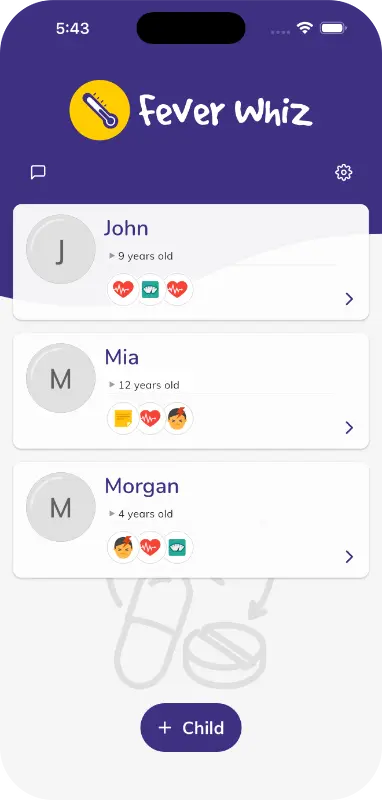
To make tracking easier, consider using the Fever Whiz app. It helps parents and caregivers log medications, temperatures, and symptoms; set reminders; visualize trends with charts; store medical documents; and share a real-time care timeline with everyone caring for the child. It is a private record-keeping tool designed to help you stay organized during those busy post-appointment days.