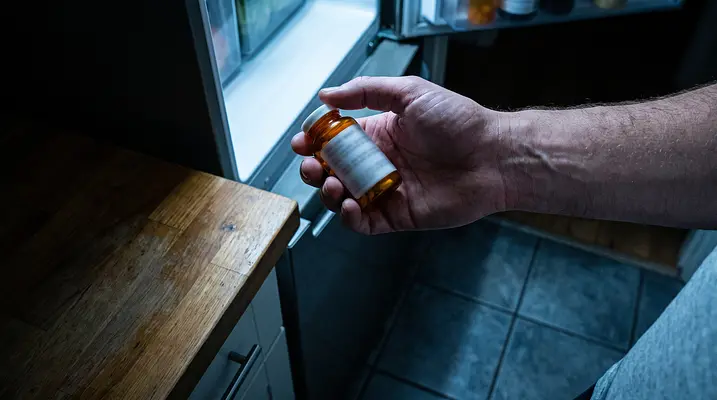
You’re standing in the kitchen at 2:00 AM, barefoot on the cold tile, squinting at a small plastic bottle under the dim glow of the refrigerator light. The house is quiet, but your mind is racing, trying to match the blurry words on the label to the caring instincts in your heart. We have all been there, desperately wishing the print were just a little bigger and the medical jargon a little plainer. That small box of text holds a wealth of carefully organized information designed to keep your child safe, if only we could decode it in our sleep-deprived state.
This post is your flashlight. We are going to walk through the anatomy of an over-the-counter (OTC) medicine label, section by section, so you know exactly what you are looking at. We will explain why each field exists and what the regulators intend for you to know, leaving the actual medical decisions where they belong: in the hands of your pediatrician and pharmacist.
🏷️ The Drug Facts Panel
The first thing you will notice on any legitimate over-the-counter medication is a distinct box labeled "Drug Facts." This standardized format was mandated by the FDA to create a consistent "nutrition label" for medications, ensuring that critical safety information is easy to find and compare across different brands.
- Locate the bold header "Drug Facts" to find the start of the official prescribing information.
- Understand that this panel follows a strict order, guiding you from ingredients to safety warnings.
- Recognize that this standardization helps you quickly identify the active medicine without hunting through marketing text.
🧪 Active vs. Inactive Ingredients
Near the top of the Drug Facts panel, you will see two distinct lists: Active Ingredients and Inactive Ingredients. This distinction is vital because the "active" part is what treats the symptom, while the "inactive" parts make the medicine stable, palatable, or shelf-stable.
- Identify the active ingredient as the chemical compound responsible for the medication's therapeutic effect.
- Review the inactive ingredients list, which includes fillers, flavors, dyes, and preservatives.
- Discuss any concerns about inactive ingredients—such as dyes, sugars, or potential allergens—with your pharmacist or pediatrician.
🎯 The Uses Panel
The "Uses" section is sometimes called the "Indications" section, and it tells you precisely what symptoms or conditions the medication is officially approved to treat. This section helps you match the right tool to the job, ensuring you aren't using a product intended for a different ailment.
- Read the listed uses to verify that the medication targets the specific symptom you are observing.
- Remember that this list represents the officially tested and approved uses for the drug.
- Consult your pediatrician if the symptoms your child is experiencing do not match the uses listed on the box.
⚠️ The Warnings Panel
This is often the longest and most intimidating section of the label, but it exists to protect your child from known risks. The Warnings panel details who should not take the medicine, what side effects might occur, and when it is crucial to stop use and seek professional help.
- Pay close attention to the "Do not use" section, which highlights known contraindications or conflicts with other medications.
- Note the "Ask a doctor before use if" section, which lists pre-existing conditions that require professional clearance.
- Seek guidance from a healthcare professional immediately if your child experiences any of the side effects listed in this panel.
⚖️ The Weight-Based Dosing Table
One of the most important features on a liquid medication label is the dosing table, which often asks for the child's weight rather than just their age. Pediatricians widely agree that weight is a much more accurate predictor of how a body processes medication than age alone, which is why this table is so prominent.
- Find the weight-based chart to see how dosing is tiered according to body mass.
- Know your child’s current weight, as this is the primary metric used for safe dosing calculations.
- Ask your pediatrician or pharmacist to confirm the appropriate dose for your child’s specific weight if the label is unclear or if your child falls between categories.
💧 Why Concentration Matters
For liquid medicines, you will see a specific number listed for "concentration," usually written as milligrams per milliliter (mg/mL). This tells you how much active medicine is packed into every single drop of liquid, a critical detail because different brands of the same type of medicine can have different strengths.
- Note where the concentration is printed, and that it describes the specific bottle in your hand rather than the category of medicine on the shelf.
- Realize that infant drops are often much more concentrated than children’s liquid, meaning a smaller volume holds more medicine.
- Double-check the concentration every time you buy a new bottle, as manufacturers occasionally change their formulas.
🏠 Storage and Expiry Information
At the very bottom or side of the label, you will find instructions for storage and an expiration date. These are not suggestions; they are based on chemical stability testing to ensure the medicine remains safe and effective until the very last dose.
- Check the expiration date to ensure the medication is still within its safe usage window.
- Follow storage instructions, such as "store at room temperature" or "refrigerate," to prevent the medicine from degrading.
- Dispose of any medication that has passed its expiration date or has not been stored correctly, consulting your pharmacist for safe disposal methods.
📝 Putting It All Together
Understanding the anatomy of a medicine label transforms you from a confused consumer into an empowered partner in your child’s health. You now know that the Drug Facts panel is a standardized safety net, that the active ingredients are the "worker" molecules, and that the warnings are there to flag potential interactions before they happen. You understand why weight matters more than age, and why that tiny concentration number is the key to ensuring the right amount of medicine is delivered.
However, reading the label is just the first step. The actual decision to give a medication, the specific dose, and the timing should always be guided by your child’s healthcare provider. Your job is to bring the context—your child’s history, their current symptoms, and your observations—while the label provides the technical data. When in doubt, always put the bottle down and pick up the phone to call your pediatrician or pharmacist.
Disclaimer: This blog post is for educational purposes only and is not intended as medical advice. Always consult your pediatrician or a qualified healthcare professional regarding any medical questions, symptoms, dosing, or treatment decisions for your child.
🚀 Quick Action Plan
- Store a working flashlight in your medicine cabinet for middle-of-the-night label reading.
- Weigh your child regularly and keep a current record in your phone or health app.
- Bring every new OTC bottle to your pharmacist or pediatrician for a quick label review before the first use.
- Check the expiration dates on all medicines in your home twice a year.
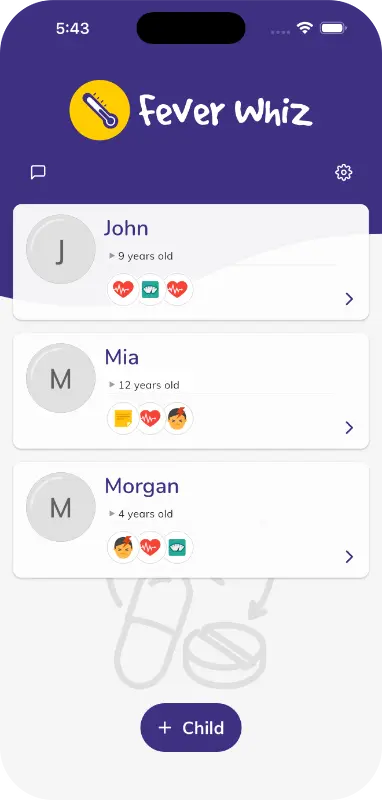
- Download the "Fever Whiz" app to log medications, temperatures, and symptoms, and share a real-time care timeline with your child's caregivers.