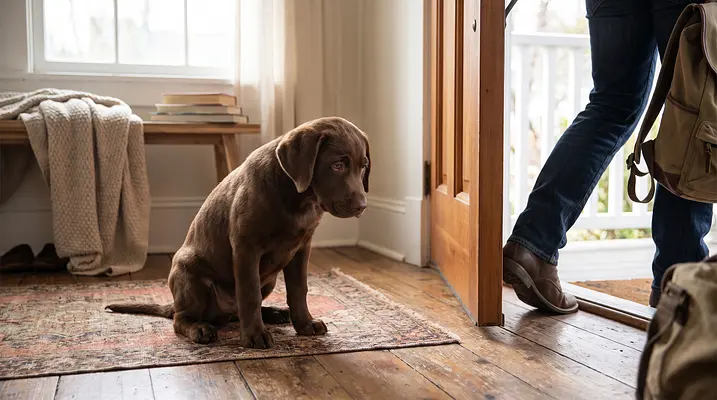
Bringing home a new puppy is one of life's greatest joys, but it can also come with some unexpected challenges. If you've found yourself with a furry shadow who follows your every move, whines when you leave the room, or seems anxious whenever you're out of sight, you're not alone. Puppy clinginess is incredibly common, and the good news is that with patience and the right approach, you can help your little one develop healthy independence while maintaining that special bond you share.
Understanding Why Puppies Become Clingy
Before we dive into solutions, it's important to understand that clinginess in puppies is often completely natural. Your puppy has just left their mother and littermates – you've become their entire world and source of security. This attachment shows that you're doing something right in building trust with your new companion.
However, excessive clinginess can develop into separation anxiety if not addressed, which can be stressful for both you and your puppy. The goal isn't to make your puppy love you less, but rather to help them feel confident and secure even when you're not around.
Building Confidence Through Gradual Independence
Start Small with Short Separations
Begin by leaving your puppy alone for just a few minutes at a time. Step into another room, count to 30, then return calmly without making a big fuss. Gradually increase these intervals as your puppy becomes more comfortable. This teaches them that you always come back and that being alone isn't something to fear.
Create Positive Alone Time Associations
Make alone time something your puppy looks forward to by providing special toys or treats that only come out when you're not directly interacting with them. Puzzle toys, frozen Kong toys filled with treats, or long-lasting chews can keep them occupied and create positive associations with independence.
Establish a Safe Space
Set up a cozy area where your puppy can retreat when they need comfort. This might be a crate with soft bedding, a dog bed in a quiet corner, or a small gated area. Make this space inviting with their favorite toys and ensure it's always available to them.
Training Techniques for Independence
Practice the "Stay" Command
Teaching a solid "stay" command is invaluable for building independence. Start with very short durations and distances, rewarding your puppy for remaining in place even when you move away. This builds their confidence in being stationary while you're not immediately beside them.
Ignore Attention-Seeking Behavior
This one can be tough because those puppy eyes are hard to resist! However, if you respond to every whine, bark, or paw tap for attention, you're inadvertently reinforcing clingy behavior. Instead, wait for calm, independent behavior before offering attention and praise.
Encourage Exploration
During supervised playtime, encourage your puppy to explore their environment independently. Scatter treats around the room, hide toys in different locations, or simply sit quietly while they investigate. Praise them when they show curiosity and independence.
Socialization: The Key to Confidence
Introduce New People and Experiences
A well-socialized puppy is typically a more confident puppy. Arrange for friends and family members to spend time with your puppy, teaching them that other people can be sources of fun and comfort too. Always ensure these interactions are positive and not overwhelming.
Puppy Classes and Playdates
Enrolling in puppy socialization classes or arranging playdates with other vaccinated, friendly dogs can work wonders for building confidence. These experiences teach your puppy that the world is full of exciting things beyond just you.
Establishing Healthy Routines
Consistent Daily Schedule
Puppies thrive on routine, and knowing what to expect can reduce anxiety-driven clinginess. Establish regular times for meals, walks, play, training, and rest. When your puppy knows what comes next, they're less likely to worry about your whereabouts.
Independent Activities
Build independent activities into your daily routine. This might include puzzle feeding during breakfast, a special chew toy during your work calls, or quiet time in their safe space while you handle household tasks.
Common Mistakes to Avoid
Don't Make Departures and Arrivals a Big Deal
While it's natural to want to shower your puppy with affection when you return home, overly emotional greetings can actually increase separation anxiety. Keep your hellos and goodbyes calm and low-key.
Avoid Punishment for Clingy Behavior
Never scold or punish your puppy for being clingy – this will only increase their anxiety and potentially damage your bond. Instead, focus on rewarding independent, calm behavior.
Don't Rush the Process
Every puppy is different, and some may take longer to develop independence than others. Be patient and consistent with your approach, celebrating small victories along the way.
When to Seek Professional Help
If your puppy's clinginess seems extreme, involves destructive behavior when left alone, or doesn't improve with consistent training over several weeks, consider consulting with a professional dog trainer or veterinary behaviorist. They can help identify any underlying issues and create a customized training plan.
Health Disclaimer
The information provided in this blog post is for educational purposes only and should not replace professional veterinary advice. If you have concerns about your puppy's behavior or health, please consult with a qualified veterinarian or certified animal behaviorist for personalized guidance.
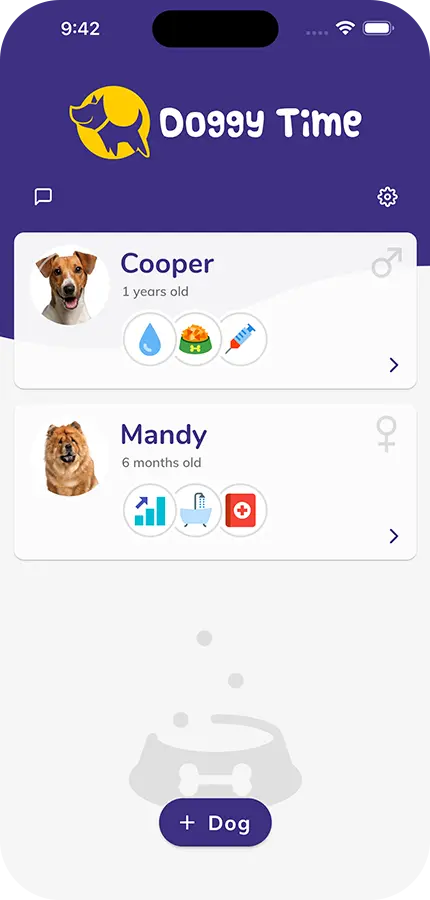
Track Your Progress with Doggy Time
Building independence in your puppy is a gradual process that benefits from consistent tracking and scheduling. Consider using the Doggy Time app to help you stay organized with your training efforts. This comprehensive pet tracker and training log allows you to monitor your puppy's daily activities, set reminders for training sessions, and create care schedules that support healthy development.
With Doggy Time, you can log training activities, track behavioral progress, and set smart alarms to ensure consistency in your independence-building routine. Whether you're working with a puppy or any of the 30+ other pet species the app supports, having a structured approach to tracking your pet's development can make all the difference in achieving your training goals.
Remember, raising a confident, independent puppy takes time, patience, and consistency. With the right approach and tools, you'll help your furry friend develop into a well-adjusted, happy dog who loves you deeply but doesn't need to be by your side every moment of the day.