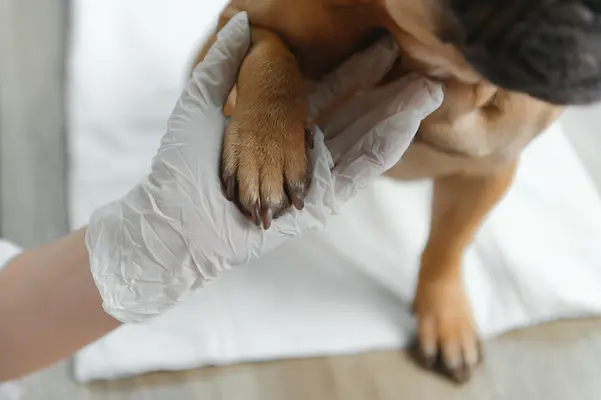
There's nothing quite like the panic that sets in when you notice your beloved pup is limping or leaving little drops of blood on your kitchen floor after a walk. Take a deep breath – paw injuries are more common than you might think, and with the right care, most minor cuts heal beautifully.
First Things First: Stay Calm and Assess
When you discover your dog has cut their foot, your calm energy will help keep them relaxed too. Dogs are incredibly perceptive and can pick up on our stress, which might make them more anxious about being examined.
Immediate steps: - Gently restrain your dog (have someone help if needed) - Carefully examine the injured paw - Look for the source of bleeding and any visible debris - Check if your dog can put weight on the paw
When to Seek Immediate Veterinary Care
Some situations require professional attention right away. Contact your vet or emergency animal hospital if you notice:
- Deep cuts that won't stop bleeding after 10-15 minutes of direct pressure
- Large pieces of glass, metal, or other debris embedded in the paw
- Excessive swelling or the paw appears deformed
- Signs of severe pain – whimpering, inability to bear any weight, or aggressive behavior when touched
- Cuts on or near the paw pads that are longer than half an inch
- Any signs of infection (though this typically develops later)
Caring for Minor Cuts at Home
For small, shallow cuts that aren't bleeding heavily, you can provide initial care at home:
Step 1: Clean Your Hands and Gather Supplies
- Wash your hands thoroughly
- Gather: clean towels, lukewarm water, mild soap, sterile gauze, medical tape, and if available, pet-safe antiseptic
Step 2: Clean the Wound Gently
- Rinse the paw with lukewarm water to remove dirt and debris
- Use mild soap around (not directly in) the wound
- Pat dry with a clean towel – don't rub
- Apply a small amount of pet-safe antiseptic if you have it
Step 3: Protect the Paw
- Place a piece of sterile gauze over the cut
- Wrap gently with medical tape or a self-adhesive bandage
- Make sure it's snug but not tight – you should be able to slip a finger underneath
- Cover with a bootie or sock to keep the bandage clean and dry
The Healing Process: What to Expect
Most minor paw cuts heal within 7-10 days with proper care. During this time:
Daily wound care: - Change the bandage daily or if it becomes wet/dirty - Clean the wound gently each time - Watch for signs of healing (edges coming together, less redness)
Activity modifications: - Keep walks short and on soft surfaces when possible - Avoid rough terrain, long hikes, or swimming - Consider using protective booties for outdoor time
Monitor for complications: - Increased swelling, redness, or warmth - Pus or unusual discharge - Foul odor from the wound - Your dog becoming more lame over time rather than improving
Prevention: Keeping Those Paws Safe
While we can't prevent every injury, there are ways to reduce the risk:
- Check walking routes for broken glass, sharp rocks, or debris
- Inspect paws regularly – make it part of your grooming routine
- Keep nails trimmed to prevent snagging and tearing
- Consider protective booties for rough terrain or extreme weather
- Gradually condition paws for new surfaces (like switching from soft grass to concrete)
Supporting Your Dog's Recovery
Recovery is easier when your furry friend feels loved and secure. Offer extra comfort, gentle pets, and maybe a special treat (if your vet approves). Some dogs become more clingy when injured – this is completely normal and usually temporary.
Remember to keep that tail wagging with mental stimulation if physical activity is limited. Puzzle toys, training sessions, and gentle indoor games can help prevent boredom during recovery.
Track Your Pet's Health Journey with Doggy Time
Keeping track of your pet's health, including injuries and recovery progress, becomes so much easier with the right tools. The Doggy Time app helps pet parents collaborate on logging daily activities, health observations, training progress, and more. With smart alarms and scheduling features, you'll never miss a bandage change or medication time. Whether you're caring for a healing pup or tracking the daily habits of dogs, cats, rabbits, birds, reptiles, or any of 30+ other pet species, Doggy Time serves as your comprehensive pet tracker, training assistant, and health log all in one.
Medical Disclaimer: This blog post is for informational purposes only and should not replace professional veterinary advice. Always consult with a qualified veterinarian for proper diagnosis and treatment of your pet's injuries or health concerns. If you're unsure about the severity of your dog's injury or how to properly care for it, please contact your veterinarian immediately.