Congratulations on your new furry family member! If you're reading this, chances are you're dealing with some indoor "surprises" and wondering how to help your puppy understand that the great outdoors is their designated bathroom. Don't worry – every puppy parent goes through this phase, and with patience and consistency, your little one will master outdoor potty habits.
Understanding Your Puppy's Needs
First, let's set realistic expectations. Puppies have tiny bladders and developing digestive systems, which means they need to eliminate frequently – sometimes every 1-2 hours when they're very young. They're not being naughty when they have accidents; they're simply learning!
Young puppies typically need to poop: - After meals (usually within 15-30 minutes) - After naps - After play sessions - First thing in the morning - Last thing before bed
The Foundation: Establishing a Routine
Consistency is your best friend when house training your puppy. Here's how to create a successful routine:
Set Regular Meal Times
Feed your puppy at the same times each day. What goes in on schedule tends to come out on schedule! Most puppies do well with 3-4 small meals throughout the day.
Create a Potty Schedule
Take your puppy outside: - Every 1-2 hours during the day - Immediately after meals - After naps - Before bedtime - First thing in the morning
Choose a Designated Spot
Pick a specific area in your yard where you want your puppy to go. The familiar scents will help trigger the behavior over time.
Step-by-Step Training Process
1. Watch for Signs
Learn to recognize when your puppy needs to go: - Sniffing around - Circling - Whining or restlessness - Heading toward a corner or away from the family
2. Use a Cue Word
Choose a phrase like "go potty" or "do your business" and use it consistently when you take them outside. Say it in a calm, encouraging voice while they're in the act.
3. Stay Outside Until Success
Don't rush back inside immediately. Give your puppy 5-10 minutes to explore and find the right spot. Sometimes they need a moment to get comfortable.
4. Celebrate Success!
When your puppy poops outside, make it the best thing that's ever happened! Use enthusiastic praise, give treats, or offer a favorite toy. Make outdoor elimination feel like winning the lottery.
5. Handle Accidents Gracefully
When accidents happen indoors (and they will), resist the urge to scold. Simply clean up thoroughly with an enzymatic cleaner to eliminate odors, and redirect your energy toward preventing the next accident.
Helpful Tips for Success
Supervise Closely: During the training phase, keep your puppy where you can watch them. Consider using baby gates to contain them in puppy-proofed areas.
Use Crate Training: Dogs naturally avoid soiling their sleeping area. A properly-sized crate can be an excellent training tool, but remember – puppies can only "hold it" for about one hour per month of age.
Be Patient with Timing: Some puppies catch on quickly, while others take several months. Every pup is different, and factors like breed, size, and individual personality all play a role.
Weather Considerations: If your puppy seems reluctant to go outside in rain or cold weather, consider a covered area or gradually acclimate them to different weather conditions.
Troubleshooting Common Challenges
My puppy goes outside but still has accidents inside: This usually means they haven't fully grasped the concept yet. Increase supervision and the frequency of outdoor trips.
My puppy seems afraid to go outside: Some puppies need time to feel comfortable outdoors. Start with short, positive outdoor experiences and gradually increase the time spent outside.
My puppy goes immediately after coming back inside: This often happens when we rush the outdoor process. Give them more time outside, even if it means standing in the yard a bit longer.
Tracking Progress and Staying Organized
House training involves lots of timing, scheduling, and pattern recognition. Keeping track of your puppy's eating, sleeping, and elimination patterns can help you identify the best times for potty breaks and celebrate progress along the way.
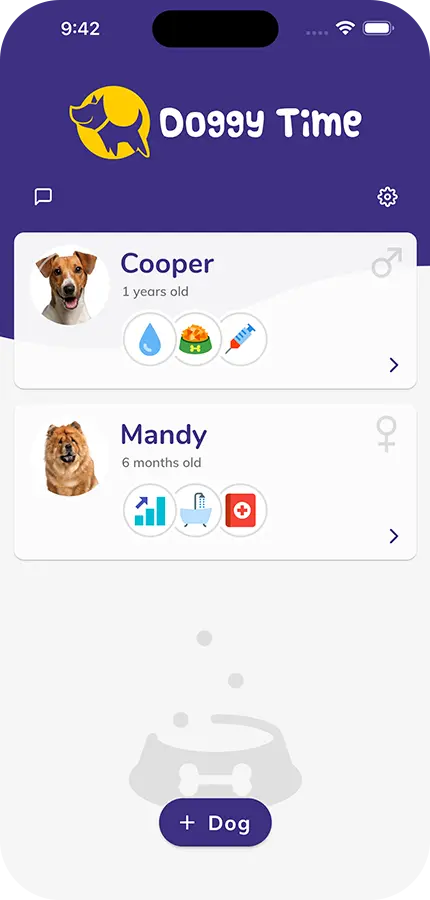
Consider using the Doggy Time app to help you stay organized during this crucial training period. This comprehensive pet tracker lets you log training activities, set smart reminders for potty breaks, and create customized care schedules. You can even collaborate with family members to ensure everyone's on the same page with your puppy's routine. Whether you're tracking successful outdoor trips, meal times, or training milestones, having everything in one place makes the house training journey much more manageable.
Remember: This Too Shall Pass
House training can feel overwhelming, especially during those first few weeks when accidents seem constant. Remember that every successful outdoor trip is progress, even if there are still indoor mishaps. Your puppy wants to please you – they just need time to understand what you're asking of them.
Stay consistent, celebrate the wins (no matter how small), and be patient with both your puppy and yourself. Before you know it, your little one will be asking to go outside, and these early training days will be just a memory.
Health Disclaimer: This blog post provides general training guidance and should not replace professional veterinary advice. If you notice sudden changes in your puppy's elimination habits, blood in stool, or signs of distress, please consult with your veterinarian promptly. Some medical conditions can affect house training progress and require professional attention.